


Quick answer
Certificate provider errors in LPA applications typically delay or prevent registration with the Office of the Public Guardian, with over 50,000 applications rejected in 2023–2024 due to mistakes in this critical section. In England and Wales, the certificate provider must confirm they know the donor personally, believe them to have mental capacity, and understand the LPA’s purpose—errors in these declarations may result in the entire application being returned for correction, causing delays of several weeks or months. Common mistakes include incomplete identity verification, failure to meet independence requirements, or providing false declarations, which may trigger investigations and potentially invalidate the LPA entirely. This guide explains how certificate provider errors affect LPA registration in 2026/27, the specific declaration requirements that must be met, and practical steps to avoid costly mistakes during the application process.
Last reviewed: 24 May 2026 by the MP Estate Planning editorial team. Jurisdiction: England and Wales. Scotland and Northern Ireland have different probate and intestacy rules; the IHT thresholds are UK-wide.
Three rule changes you may need to consider (2026/27)
1. Pensions become subject to IHT from 6 April 2027. Most unused defined-contribution pension pots currently sit outside the estate for IHT — that ends on 6 April 2027 (gov.uk policy paper). HMRC estimates around 10,500 estates will face IHT for the first time as a result.
2. Business and agricultural property reliefs capped at £2.5m per person from 6 April 2026. Above the cap, only 50% relief applies — effective IHT of 20%. AIM shares dropped to 50% relief and do not use the £2.5m allowance (Saffery — APR/BPR reforms).
3. The NRB, RNRB and £2m taper threshold are frozen until 5 April 2031 following the 2024 and 2025 Budgets (gov.uk — NRB and RNRB freeze). With inflation, more estates will be pulled into IHT each year — a process commonly called “fiscal drag.”
We understand the importance of a Lasting Power of Attorney (LPA) in ensuring that your loved ones can make crucial decisions on your behalf when you’re unable to.
However, the process of registering an LPA can be fraught with difficulties, particularly when it comes to certificate provider errors. According to the Office of the Public Guardian’s Annual Report for 2023–2024, over 50,000 LPA applications were rejected last year, often due to mistakes in the certificate provider section.
These errors can lead to significant delays and complications, causing unnecessary stress for those already dealing with challenging circumstances. In this article, we will explore the common mistakes made by certificate providers, their consequences, and how to avoid them.
Key Takeaways
- Certificate provider errors can lead to LPA registration delays
- Over 50,000 LPA applications were rejected in 2023-2024
- Common mistakes include incorrect or missing information
- Avoiding errors can ensure timely registration of your LPA
- Understanding the role of a certificate provider is crucial
What is a Lasting Power of Attorney (LPA)?
A Lasting Power of Attorney (LPA) is a vital legal document that allows individuals to appoint trusted persons to make decisions on their behalf. This document is crucial for planning for the future, ensuring that one’s wishes are respected in various life circumstances.
Definition of Lasting Power of Attorney
A Lasting Power of Attorney is defined as a legal authority granted by an individual (the donor) to one or more persons (attorneys) to make decisions on their behalf. There are two types of LPAs: one for personal welfare and one for property and financial affairs. For more information on the differences between LPA and other legal documents like Enduring Power of Attorney, you can visit this page.
Importance of an LPA in Personal Care
An LPA for personal welfare allows the appointed attorney to make decisions regarding the donor’s health, welfare, and personal care. This can include decisions about medical treatment, living arrangements, and daily care. Having an LPA in place ensures that the donor’s wishes are respected, even if they lose mental capacity.
Key benefits of an LPA in personal care include:
- Ensuring the donor’s health and welfare decisions are made by a trusted individual.
- Providing peace of mind for the donor and their family.
- Allowing for decisions that reflect the donor’s personal values and wishes.
Importance of an LPA in Financial Matters
An LPA for property and financial affairs enables the attorney to manage the donor’s financial matters, such as paying bills, managing investments, and selling property. This is particularly important if the donor becomes unable to manage their finances due to illness or incapacity.
The significance of an LPA in financial matters is highlighted by:
- Protecting the donor’s financial assets from potential mismanagement.
- Ensuring that financial obligations are met in a timely manner.
- Allowing the donor to choose who manages their financial affairs.
Understanding the LPA Certificate Process
Navigating the complexities of Lasting Power of Attorney (LPA) certification is crucial for a smooth registration process. The LPA certificate is a vital document that confirms the donor’s understanding and willingness to grant authority to their chosen attorney(s).
Key Steps in the Certification Process
The certification process involves several key steps that must be carefully followed to avoid errors. These steps include:
- Completing the LPA form accurately, ensuring all required information is provided.
- Having the form signed by the donor and the certificate provider.
- Ensuring the certificate provider is impartial and understands their role.
We will guide you through these steps to ensure that your LPA is correctly certified.
The Role of Certificate Providers
The certificate provider plays a crucial role in the LPA certification process. They are an impartial person who confirms that the donor understands the implications of creating an LPA and that they are not being coerced into doing so.
Key responsibilities of a certificate provider include:
| Responsibility | Description |
|---|---|
| Confirming donor’s understanding | Ensuring the donor comprehends the nature and implications of the LPA. |
| Checking for coercion | Verifying that the donor is making the LPA voluntarily, without any undue influence. |
| Signing the LPA form | Signing the form to confirm they have fulfilled their role as certificate provider. |
Documentation Required for an LPA
The documentation required for an LPA includes the completed LPA form, the certificate provider’s signature, and signatures from the donor and attorneys. Ensuring that all documents are correctly completed and signed is vital for avoiding delays in the registration process.

By understanding the LPA certificate process, including the key steps and the role of the certificate provider, you can ensure that your LPA is correctly certified and registered, providing peace of mind for you and your family.
Common Errors in LPA Certificates
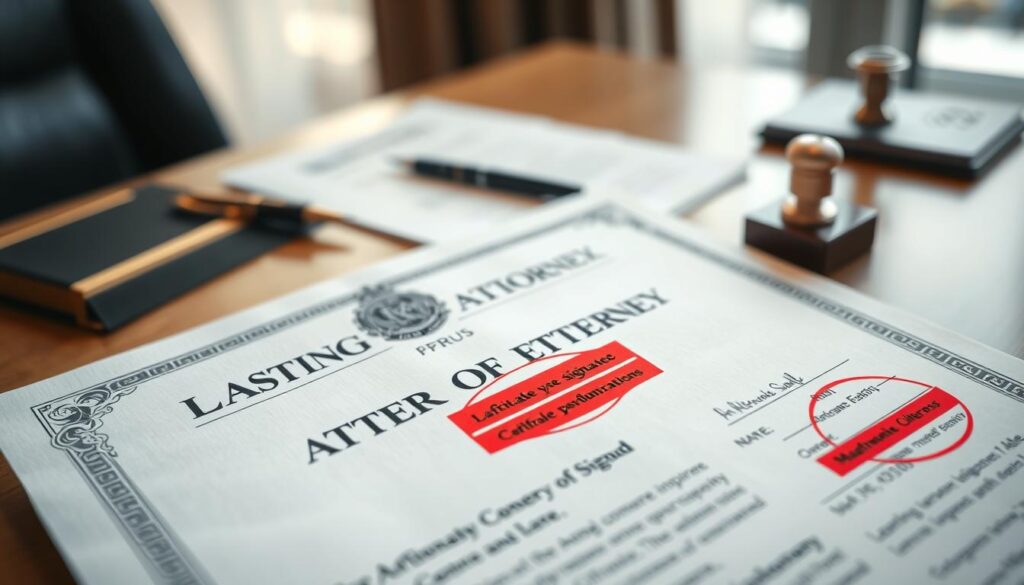
Errors in LPA certificates can cause delays and legal issues, making it essential to understand common mistakes. When applying for a Lasting Power of Attorney, the certificate provider plays a crucial role in ensuring the document’s validity.
Misidentification of Parties
One of the most common errors is the misidentification of parties involved in the LPA. This can include incorrect names, addresses, or details of the donor, attorneys, or certificate providers. Ensuring accurate identification is crucial to avoid any confusion or legal challenges during the registration process.
To prevent misidentification, it’s essential to double-check all the information provided on the LPA form. This includes verifying the full names, addresses, and dates of birth of all parties involved.
Incorrect Dates on the Certificate
Another common mistake is entering incorrect dates on the LPA certificate. This can lead to confusion about when the document was signed or when it comes into effect. Accuracy in dating is vital to ensure that the LPA is processed correctly and in a timely manner.
It’s crucial to ensure that all dates are correctly filled in, including the date of signing by the donor, attorneys, and certificate provider. Any discrepancy in dates can lead to delays or even rejection of the LPA application.
Missing Signatures
Missing signatures are a significant error that can invalidate the LPA certificate. All required parties must sign the document in the correct order. Ensuring that all necessary signatures are in place is a critical step in the certification process.
Common mistakes include using pencil or correction fluid, missing or mixing pages, and incorrect signing order. We must emphasize the importance of carefully reviewing the document before submission to avoid such errors.
By understanding these common errors and taking steps to prevent them, individuals can ensure a smoother registration process for their LPA. It’s always advisable to seek professional guidance if there’s any uncertainty about the certification process.
Consequences of Certificate Errors
Errors in LPA certificates can have far-reaching consequences, affecting not just the registration process but also the well-being of the donor and their loved ones. When an LPA certificate contains mistakes, it can lead to a range of problems that may seem insurmountable at first glance.
Delays in Registration
One of the most immediate consequences of LPA certificate errors is the delay in the registration process. The Office of the Public Guardian (OPG) will not process an LPA if it contains errors, leading to a wait that can be distressing for all parties involved. For instance, if the donor’s details are incorrect or the certificate provider’s signature is missing, the OPG will return the application for correction.
As citizens advice highlights, “delays in registering an LPA can have serious implications, particularly if the donor’s condition deteriorates rapidly.” Therefore, it is crucial to ensure that the LPA certificate is accurate and complete to avoid such delays.
Potential Legal Challenges
Errors in LPA certificates can also lead to potential legal challenges. If an LPA is contested due to inaccuracies or irregularities, it can result in costly and time-consuming legal proceedings. Legal challenges can arise from various parties, including family members or other individuals who may question the validity of the LPA.
“The consequences of a poorly drafted or executed LPA can be severe, potentially leading to disputes that end up in the Court of Protection.” –
Impact on Decision-Making Authority
Furthermore, mistakes in LPA certificates can impact the decision-making authority of the appointed attorneys. If an LPA is deemed invalid due to errors, the attorneys may not be able to make decisions on behalf of the donor when needed most. This can have serious consequences, particularly in situations where timely decisions are crucial.
- Inaccurate or incomplete information can lead to invalidation.
- Delays in registration can postpone the attorneys’ ability to act.
- Potential legal challenges can undermine the authority granted to attorneys.
In conclusion, the consequences of LPA certificate errors are multifaceted and can have a significant impact on the donor, their loved ones, and the attorneys appointed under the LPA. Ensuring the accuracy and completeness of the LPA certificate is paramount to avoid these issues.
Preventing LPA Certificate Errors
Preventing mistakes in LPA certificates is crucial for a smooth registration process. Ensuring that your Lasting Power of Attorney certificate is accurate and complete can save time and reduce stress in the long run.
Choosing the Right Certificate Provider
Selecting an impartial certificate provider is a critical step in the LPA certification process. This person must be independent and not a family member, ensuring that they can provide an unbiased confirmation of the LPA documents. The right certificate provider can significantly reduce the risk of errors.
When choosing a certificate provider, consider the following:
- They must be at least 18 years old.
- They should be someone you trust to verify your identity and the information in the LPA.
- They cannot be a family member or someone named in the LPA.
Double-Checking Information Before Submission
Accuracy is paramount when completing LPA documents. Double-checking all information before submission can prevent a range of issues, including misidentification of parties and incorrect dates.
To ensure accuracy, review the following key areas:
| Area to Review | Details to Check |
|---|---|
| Donor’s Details | Full name, address, and date of birth |
| Attorney’s Details | Full name, address, and date of birth |
| Certificate Provider’s Details | Full name, address, and signature |
Regular Updates to Documentation
Keeping your LPA documentation up to date is essential. Circumstances can change, and regular updates can prevent potential issues with your certificate.
Consider reviewing your LPA documents periodically to ensure they remain relevant and accurate. This includes updating attorney details, donor information, or preferences outlined in the LPA.

How to Correct Errors After Submission
Once an LPA application is submitted, correcting errors requires a specific approach to avoid further complications. When an error is identified after submission, it’s essential to address it promptly to avoid delays in the registration process.
Identifying the Error
The first step in correcting an error is to identify it clearly. This involves reviewing your LPA application and certificate to pinpoint the mistake. Common errors include misidentification of parties, incorrect dates, and missing signatures. Once you’ve identified the error, you can begin the correction process.
Contacting the Certificate Provider
After identifying the error, it’s crucial to contact the Certificate Provider who witnessed the signing of your LPA document. They can guide you on the necessary steps to correct the mistake. If you used a solicitor, they can also assist in this process. It’s essential to communicate the error clearly and provide any required documentation.
Resubmission Process
The resubmission process involves correcting the identified error and resubmitting your LPA application to the Office of the Public Guardian (OPG). This may require:
- Correcting the error on the LPA form
- Re-signing the corrected document
- Re-submitting the application with the corrected documents
It’s vital to follow the OPG’s guidelines for resubmission to ensure your application is processed without further delays.

By understanding the steps to correct errors after submission, individuals can rectify mistakes and move forward with their LPA registration. Ensuring the accuracy of your LPA application is crucial for its successful registration and subsequent use.
The Role of Solicitors in LPA Certification
Solicitors play a vital role in the LPA certification process, offering expert guidance and support. Their involvement can significantly reduce the likelihood of errors that could lead to delays or even the rejection of the LPA application.
Benefits of Using a Solicitor
Engaging a solicitor for LPA certification provides several benefits. They bring their expertise to ensure that the application is completed correctly and efficiently. Some of the key advantages include:
- Expert knowledge of the LPA certification process
- Assistance in identifying and avoiding common mistakes
- Guidance on the required documentation and information
By leveraging their expertise, individuals can ensure that their LPA application is processed without unnecessary delays. For more information on avoiding mistakes in LPA applications, you can visit this resource.
Legal Advice on Common Errors
Solicitors are well-equipped to provide legal advice on common errors encountered during the LPA certification process. Their insight can help individuals understand the implications of mistakes such as misidentification of parties, incorrect dates, and missing signatures.
| Common Error | Implication | Solicitor’s Advice |
|---|---|---|
| Misidentification of Parties | Potential for application rejection | Ensure accurate identification of all parties involved |
| Incorrect Dates | Delays in application processing | Double-check all dates to ensure accuracy |
| Missing Signatures | Application will not be processed | Verify that all required signatures are obtained |
Navigating the Certification Process
Navigating the LPA certification process can be complex, but with the assistance of a solicitor, individuals can more easily manage the requirements. Solicitors can guide applicants through the necessary steps, ensuring that all documentation is in order and that the application is submitted correctly.

By understanding the role of solicitors in LPA certification and leveraging their expertise, individuals can ensure that their LPA application is processed efficiently and effectively. This not only provides peace of mind but also ensures that the individual’s wishes are respected and carried out.
The Impact of Errors on Enduring Power of Attorney
EPAs, although largely replaced by LPAs, still hold validity, and their errors can have lasting impacts. It’s essential to understand how mistakes in these documents can affect their registration and overall effectiveness.
Differences Between LPA and EPA
The primary difference between LPAs and EPAs lies in their scope and the time they were created. LPAs are more comprehensive, covering both personal welfare and property and financial affairs, whereas EPAs were primarily focused on financial matters.
Key differences include:
- LPAs are more detailed and offer broader powers.
- EPAs were created before LPAs became the standard.
- LPAs require registration before use, whereas EPAs could be registered after being made.
Common Errors in Enduring Powers of Attorney
Errors in EPAs can range from simple mistakes to significant omissions that can invalidate the document. Common issues include:
- Incorrect or missing signatures.
- Inaccurate identification of the donor or attorney.
- Failure to register the EPA when required.
It’s crucial to identify and correct these errors promptly to avoid any legal or practical implications.
Consequences of Errors in Enduring Powers
The consequences of errors in EPAs can be severe, potentially leading to:
| Error Type | Consequence |
|---|---|
| Incorrect Signatures | Invalidation of the EPA |
| Inaccurate Identification | Delays in Registration or Legal Challenges |
| Failure to Register | Inability to Use the EPA when Needed |
Understanding these potential issues can help in taking preventive measures and ensuring that EPAs remain valid and effective.

Legal Implications of LPA Certificate Errors
Understanding the legal implications of LPA certificate errors is crucial for mitigating potential risks and disputes. When errors occur in the certification process, they can have far-reaching consequences, affecting not only the validity of the LPA but also leading to potential legal challenges.
Understanding the Legal Framework
The legal framework governing Lasting Powers of Attorney (LPAs) in the UK is primarily established by the Mental Capacity Act 2005. This Act sets out the requirements for creating a valid LPA, including the role of the certificate provider. Errors in the certification process can lead to non-compliance with the Act, potentially invalidating the LPA.
To navigate these complexities, it’s essential to understand the legal obligations of both the donor and the attorneys. The certificate provider plays a critical role in ensuring that the donor understands the nature and implications of the LPA.
Potential Legal Claims
Errors in LPA certificates can give rise to various legal claims. For instance, if an error leads to a dispute among family members or between attorneys, it may result in costly and time-consuming litigation. Potential claims could include allegations of undue influence, lack of capacity, or negligence on the part of the certificate provider.
- Claims of undue influence may arise if there’s evidence that the donor was coerced into making decisions against their free will.
- Lack of capacity claims could be made if the donor did not have the mental capacity to make informed decisions at the time of signing the LPA.
- Negligence claims against the certificate provider might occur if they failed to properly verify the donor’s understanding of the document.
Rights of Individuals Affected by Errors
Individuals affected by LPA certificate errors have certain rights and avenues for redress. For example, they may seek legal advice to challenge the validity of the LPA or to resolve disputes through mediation or court proceedings.
It’s crucial for individuals to be aware of their rights and the legal options available to them. Seeking professional legal guidance can help navigate these complex issues and protect the interests of all parties involved.
Real-Life Cases of LPA Certificate Errors
In the UK, numerous case studies have highlighted the consequences of errors in Lasting Power of Attorney (LPA) certificates, emphasizing the importance of accuracy in the certification process. These real-life examples provide valuable insights into the potential pitfalls and how they can be avoided.
Case Studies from the UK
Several case studies from across the UK illustrate the impact of LPA certificate errors. For instance, in one case, a donor’s LPA was rejected due to a missing signature, causing significant delays in the registration process. In another instance, incorrect dates on the certificate led to legal challenges that ultimately resulted in additional costs and stress for the parties involved.
Let’s examine a few specific examples:
| Case Study | Error Type | Consequence |
|---|---|---|
| Case 1: Donor’s LPA Rejection | Missing Signature | Delay in Registration |
| Case 2: Incorrect Dates | Incorrect Dates on Certificate | Legal Challenges and Additional Costs |
| Case 3: Misidentification | Misidentification of Parties | Potential for Misuse of Authority |
Lessons Learned from These Cases
The case studies from the UK offer several key lessons. Firstly, the importance of accuracy in the LPA certification process cannot be overstated. Ensuring that all information is correct and complete is crucial to avoiding delays and legal issues. Secondly, the role of the certificate provider is vital; they must be chosen carefully to ensure they understand the requirements and can guide the donor through the process effectively.
To avoid LPA certificate errors, it is essential to:
- Double-check all information before submission.
- Ensure that the certificate provider is experienced and knowledgeable about LPA requirements.
- Regularly update documentation to reflect any changes in circumstances.
By learning from these real-life cases and taking steps to prevent errors, individuals can ensure that their LPA is registered smoothly and effectively, providing peace of mind for themselves and their loved ones.
Resources for LPA Advice and Support
The process of establishing a Lasting Power of Attorney can be daunting, but fortunately, there are many resources available to offer assistance. When creating an LPA, it’s crucial to have access to reliable guidance to ensure that the document is completed correctly and that all legal requirements are met.
Government Websites and Guides
Government websites are a valuable resource for individuals looking to create an LPA. They provide comprehensive guides on the process, including how to avoid common mistakes such as lasting power of attorney certificate issues. These resources often include step-by-step instructions and FAQs that can help clarify the requirements for a valid LPA.
For instance, the UK Government’s website offers detailed information on the different types of LPAs, the roles of the donor and attorney, and how to register an LPA. By following these guides, individuals can ensure that their LPA is properly executed and registered.
Charities and Non-Profits
Charities and non-profits in the UK also play a significant role in providing support and guidance on LPAs. Organizations such as the Alzheimer’s Society and Age UK offer resources and advice for individuals creating an LPA, particularly in relation to UK lasting power of attorney mistakes. These organizations often provide free or low-cost guidance, making it more accessible for individuals to get the help they need.
Their resources may include leaflets, online guides, and helplines staffed by knowledgeable professionals. By utilizing these resources, individuals can gain a better understanding of the LPA process and avoid potential pitfalls.
Professional Bodies for Legal Practitioners
For those seeking professional advice, bodies such as the Law Society and the Solicitors Regulation Authority (SRA) provide lists of qualified solicitors who specialize in LPAs. These professionals can offer expert guidance on the creation and registration of an LPA, helping to prevent errors and ensure that the document is legally binding.
Using a solicitor can be particularly beneficial for complex cases or when individuals are unsure about any aspect of the LPA process. Professional legal practitioners can provide personalized advice and representation, giving individuals peace of mind that their LPA is being handled correctly.
Conclusion: Ensuring a Valid LPA Certificate
Ensuring a valid Lasting Power of Attorney (LPA) certificate is crucial for protecting one’s interests and those of their loved ones. A valid LPA certificate is essential for avoiding potential disputes and ensuring that the donor’s wishes are respected.
Key Takeaways
Throughout this article, we have discussed the importance of understanding the LPA certification process, common errors that can occur, and their consequences. We have also highlighted the role of solicitors in LPA certification and the resources available for LPA advice and support.
Preventing Errors and Seeking Guidance
To prevent LPA certificate errors in the UK, it is essential to choose the right certificate provider and double-check information before submission. If you are unsure about any aspect of the LPA certification process, we recommend seeking professional guidance from a qualified solicitor. For more information on obtaining LPA forms in the UK, you can visit MP Estate Planning.
Final Considerations
UK lasting power of attorney problems can be avoided by being aware of the potential pitfalls and taking steps to prevent them. By understanding the LPA certification process and seeking professional guidance when needed, you can ensure that your LPA certificate is valid and effective.
FAQ
What is a Lasting Power of Attorney (LPA) and why is it important?
A Lasting Power of Attorney is a vital document that enables individuals to appoint trusted persons to make decisions on their behalf. It is crucial for personal care and financial matters, ensuring that the individual’s wishes are respected.
What are the common errors that occur in LPA certificates?
Common errors in LPA certificates include misidentification of parties, incorrect dates, and missing signatures. These mistakes can lead to significant delays and complications in the registration process.
How can I prevent errors in my LPA certificate?
To prevent errors, it is essential to choose the right certificate provider, double-check information before submission, and regularly update documentation. Seeking professional guidance from a solicitor can also help minimize the risk of errors.
What are the consequences of errors in LPA certificates?
Errors in LPA certificates can result in delays in registration, potential legal challenges, and impact on decision-making authority. These consequences can affect the donor and their loved ones, emphasizing the importance of accuracy and attention to detail.
How do I correct errors after submitting my LPA application?
To correct errors, you need to identify the mistake, contact the relevant parties, and navigate the resubmission process. Understanding the correction process can help rectify mistakes and move forward with your LPA registration.
What is the role of a solicitor in LPA certification?
A solicitor can provide legal advice on common errors, assist in navigating the certification process, and ensure that the LPA is completed correctly. Using a solicitor can help minimize the risk of errors and ensure a smooth registration process.
Are there any resources available for LPA advice and support?
Yes, there are various resources available, including government websites and guides, charities and non-profits, and professional bodies for legal practitioners. Seeking guidance from reliable sources can ensure that the LPA is completed correctly.
What are the differences between Lasting Power of Attorney (LPA) and Enduring Power of Attorney (EPA)?
LPAs and EPAs are both legal documents that allow individuals to appoint others to make decisions on their behalf. However, EPAs were replaced by LPAs in 2007, and there are differences in their scope and application.
Can errors in LPA certificates lead to legal implications?
Yes, errors in LPA certificates can lead to potential legal claims and affect the rights of individuals involved. Understanding the legal framework governing LPAs is crucial to mitigate potential risks.
How can I ensure a valid LPA certificate?
To ensure a valid LPA certificate, it is essential to prevent errors, seek professional guidance, and follow the correct certification process. By doing so, you can protect your interests and those of your loved ones.
What Certificate Provider Errors Actually Cost You: OPG Rejection Codes and Real-World Consequences
When the Office of the Public Guardian (OPG) rejects an LPA application due to a certificate provider error, the consequences are rarely limited to an administrative inconvenience. In our experience, clients frequently underestimate both the financial and personal cost of errors at this stage — particularly when a health crisis has already arisen and decision-making authority is urgently needed.
OPG Error Codes Issued on Rejection Letters
The OPG issues a formal requisition letter when an application cannot be registered, and in most cases this letter will cite a specific defect code. Common codes relating to certificate provider errors typically include references to an incomplete Section 10 (the certificate provider’s declaration), a certificate provider who appears to fall within a prohibited category under Schedule 1 of the Mental Capacity Act 2005, or a signature that is undated or witnessed incorrectly. Understanding which code has been issued is generally the first practical step toward resolving the problem, as each code maps to a distinct corrective action. Our team can help you interpret a requisition letter and identify whether a straightforward amendment is sufficient or whether a full re-execution of the instrument may be required.
DIY OPG Correction Versus Solicitor-Assisted Correction: A Fee Comparison
Where an error can be corrected by submitting a statutory declaration or a replacement page, the OPG typically does not charge an additional registration fee, meaning the DIY route may cost nothing beyond postage and time. However, where the instrument must be re-executed in full — with the donor, certificate provider, and all attorneys signing again — the practical costs rise materially. A solicitor instructed to oversee re-execution may charge between £300 and £600 plus VAT in many cases, and if the matter reaches the Court of Protection due to the donor having since lost capacity, costs routinely exceed £3,000 and can extend to deputyship application fees of £371 per the OPG’s current fee schedule.
Frozen Accounts and Delayed Care: The Human Cost
Beyond fees, certificate errors may result in an attorney being unable to access the donor’s bank accounts during the registration period, which the OPG currently estimates at up to 20 weeks under normal volumes. In practice, this can mean care home fees going unpaid, direct debits lapsing, and family members funding essential costs out of their own pockets. Where a health and welfare LPA is affected, delayed registration may mean clinicians and care providers are unable to confirm who holds authority to make treatment decisions — a situation that, in our experience, causes significant distress to families and can lead to default decisions being made without any formal input from the attorney the donor originally appointed.
Common Questions About LPA Certificate Providers and Errors
What are the risks of power of attorney?
An LPA carries several risks if not prepared carefully. The most significant is that errors in execution — including certificate provider mistakes — may render the document invalid or unregisterable, leaving the donor without protection precisely when it is most needed. There is also the risk of attorney misconduct, which is why the certificate provider’s role exists: to confirm that the donor understands the document and is not being pressured. Additional risks include an LPA being challenged by third parties, or a financial institution refusing to accept it if the registered copy appears irregular. The OPG maintains a safeguarding framework to mitigate some of these risks, but the primary protection lies in careful drafting and correct execution from the outset.
Can you handwrite a power of attorney?
In England and Wales, an LPA must be made on the prescribed forms set out in the Lasting Powers of Attorney, Enduring Powers of Attorney and Public Guardian Regulations 2007, as amended. These forms may be completed by hand, provided the handwriting is legible and all sections are completed in full. However, the OPG strongly encourages use of the online Make an LPA tool to reduce the likelihood of errors. A handwritten completion does not in itself invalidate an LPA, but illegible entries or sections left partially blank are a common cause of requisition letters and registration delays.
Does an attorney’s signature need to be witnessed?
Yes. Under the prescribed LPA forms, an attorney’s signature in the relevant section must be witnessed by a person who is present at the time of signing. The witness must also sign and provide their full name and address. Failure to have the signature witnessed, or having it witnessed by someone who was not physically present, is a certificate error that the OPG will typically flag on requisition. It is worth noting that the witness to the attorney’s signature does not need to be the same person as the certificate provider.
Who can witness the signature of an attorney?
Generally, any person aged 18 or over who is not named as an attorney or replacement attorney in the same LPA may act as a witness to an attorney’s signature. The witness should be independent in the sense that they have no personal interest in the LPA. A spouse or civil partner of the donor may witness an attorney’s signature in most cases, though our team would recommend choosing someone clearly independent wherever possible to avoid any later suggestion of impropriety. The OPG’s guidance on witnessing is set out within the LPA guidance notes published on GOV.UK.
What foods should you avoid if you have high lipoprotein A?
This question falls outside the scope of LPA estate planning and relates to the blood marker Lp(a), which is a separate medical matter. If you have arrived at this article seeking information on lipoprotein(a), we would recommend speaking with your GP or a lipid specialist, as dietary and clinical management of elevated Lp(a) levels is a regulated medical matter. For context, Lp(a) is up to 90% genetically determined, meaning that lifestyle and dietary changes generally have minimal impact on levels — a point that is frequently misunderstood. Guidance on cardiovascular risk assessment is available through the National Institute for Health and Care Excellence (NICE).