

Quick answer
Yes, marriage typically revokes your previous will in England and Wales unless it was made ‘in contemplation of marriage’ to that specific person. This means your estate may be distributed according to intestacy rules rather than your original wishes, potentially affecting your spouse, children, and the £325,000 (gov.uk — Inheritance Tax) nil-rate band threshold that applies to your estate. Upon marriage, it’s generally advisable to make a new will or execute a deed of variation to ensure your assets are distributed as intended and to take advantage of spousal exemptions from inheritance tax. This guide explains how marriage affects your will in 2026/27, the implications for inheritance tax planning, and steps to protect your family’s inheritance.
Last reviewed: 24 May 2026 by the MP Estate Planning editorial team. Jurisdiction: England and Wales. Scotland and Northern Ireland have different probate and intestacy rules; the IHT thresholds are UK-wide.
Getting married is a significant life event that can impact various aspects of your life, including your estate planning. When you tie the knot, it’s essential to consider how this change in your personal life might affect your existing will.
Many people are unaware that getting married can automatically revoke a previous will unless it was made with the marriage in contemplation. This means that if you have an existing will, you should review and possibly update it after getting married to ensure that your wishes are still respected.
We understand the importance of protecting your family’s future and are here to guide you through this process, providing clear and accessible guidance on estate planning for married couples.
Key Takeaways
- Getting married can automatically revoke a previous will in some jurisdictions.
- Reviewing and updating your will after marriage is crucial to ensure your wishes are respected.
- Estate planning for married couples involves considering the impact of marriage on existing wills.
- Updating your will after marriage can help protect your family’s future.
- Seeking professional guidance can ensure that your estate planning is done correctly.
Understanding Wills in the UK
In the UK, understanding wills is crucial for effective estate planning. A will is a legal document that outlines how you want your assets to be distributed after your death. It is essential to have a valid will to ensure that your wishes are respected.
Definition of a Will
A will, also known as a last will and testament, is a document that specifies how your estate should be handled after you pass away. It allows you to appoint executors who will manage your estate and ensure that your assets are distributed according to your wishes.
Importance of a Will
Having a will is vital because it provides clarity and certainty for your loved ones during a difficult time. It helps prevent potential disputes by clearly outlining your intentions. Moreover, a will enables you to make specific bequests to individuals or charities that are important to you.
Legal Requirements for a Will
To be valid in the UK, a will must meet certain legal requirements:
- It must be in writing.
- It must be signed by the testator (the person making the will).
- It must be witnessed by two independent witnesses.
We recommend reviewing your will, especially after significant life events like marriage, to ensure it remains valid and reflects your current wishes. For instance, marriage can significantly impact your existing will, and it’s crucial to understand how changes in marital status can affect your estate.
| Aspect | Description |
|---|---|
| Definition | A legal document outlining asset distribution after death. |
| Importance | Provides clarity and prevents disputes among loved ones. |
| Legal Requirements | In writing, signed by the testator, and witnessed by two independent witnesses. |
Marriage and Its Impact on Estate Planning
Understanding the impact of marriage on estate planning is crucial for protecting your family’s future. When you get married, your legal status changes, and this can have significant implications for your estate plans.
Overview of Marital Property Laws
Marital property laws vary by jurisdiction, but generally, they dictate how assets are shared between spouses. In the UK, these laws can affect how your estate is distributed upon your passing. It’s essential to understand that marital property laws can override certain aspects of your will, ensuring that your spouse is provided for.
We recognise that navigating these laws can be complex. Therefore, it’s crucial to seek professional advice to ensure that your estate planning aligns with your wishes and complies with local laws.
Spousal Rights in Estate Distribution
Spouses have automatic rights to a portion of the estate, which can impact how your assets are distributed if you have an existing will. In many cases, spouses are entitled to a significant share of the estate, regardless of what your will states. This is an important consideration when planning your estate, as it may affect your ability to distribute your assets according to your wishes.
To ensure that your estate is planned effectively, we recommend reviewing your will and estate plans after marriage. This review will help you understand how your spouse’s rights may impact your estate distribution and make any necessary adjustments.
Does Marriage Override a Will?
When it comes to estate planning, one crucial question is whether marriage overrides a previously made will. In some jurisdictions, the answer is yes; marriage can revoke a previous will unless it was made with the marriage in contemplation. This legal presumption is designed to protect the rights of the new spouse.
Legal Presumptions in Marriage
In the UK, when you get married, it can significantly impact any existing will you may have. Marriage can revoke a will unless it is clear that the will was made in contemplation of the marriage. This means that if you have made a will before getting married, it is essential to review and update it after the marriage to ensure it still reflects your wishes.
We understand that this can be a complex area, and it’s crucial to seek legal advice to ensure your estate planning is up to date and reflects your current circumstances.
Intestacy Rules in the Event of No Will
If you die without a will, the intestacy rules apply. These rules vary by jurisdiction but generally provide for the distribution of your estate among your closest relatives, with your spouse typically receiving a significant portion.
- The spouse may receive a statutory legacy, with the amount varying based on whether there are children or other dependents.
- The remaining estate is then distributed according to the intestacy rules, which may not align with your personal wishes or the needs of your family.
We are committed to guiding you through these rules and ensuring that you have a will that protects your family’s future.
The Role of Prenuptial Agreements
Prenuptial agreements are becoming increasingly relevant in modern marriages. As couples prepare to spend their lives together, they are also considering the financial implications of their union.
A prenuptial agreement is a contract between two individuals planning to get married, outlining the division of assets in case of divorce or death. This agreement can significantly impact how your will is interpreted and executed.
What is a Prenuptial Agreement?
A prenuptial agreement, often referred to as a ‘prenup,’ is a legal contract that couples enter into before marriage. It outlines how assets will be divided if the marriage ends in divorce or upon death.
The agreement can cover various aspects, including:
- Division of property
- Financial responsibilities
- Inheritance
Having a prenuptial agreement in place can provide clarity and protection for both parties.
How Prenuptial Agreements Affect Wills
If you have a prenuptial agreement, it’s crucial to review your will to ensure that it aligns with the agreement. The prenup can affect how your assets are distributed upon your death.
For instance, if your prenuptial agreement specifies that certain assets are to be kept separate, your will should reflect this. Failure to update your will could lead to conflicts between your spouse and other beneficiaries.
| Aspect | Without Prenuptial Agreement | With Prenuptial Agreement |
|---|---|---|
| Asset Division | Assets are divided according to intestacy rules | Assets are divided as per the prenuptial agreement |
| Financial Responsibilities | Not explicitly defined | Clearly outlined in the agreement |
| Inheritance | Subject to spouse’s automatic inheritance rights | Can be specified in the prenup, potentially overriding automatic rights |
By understanding how prenuptial agreements affect wills, couples can better plan their estate and avoid potential disputes.
Changes in Will After Marriage
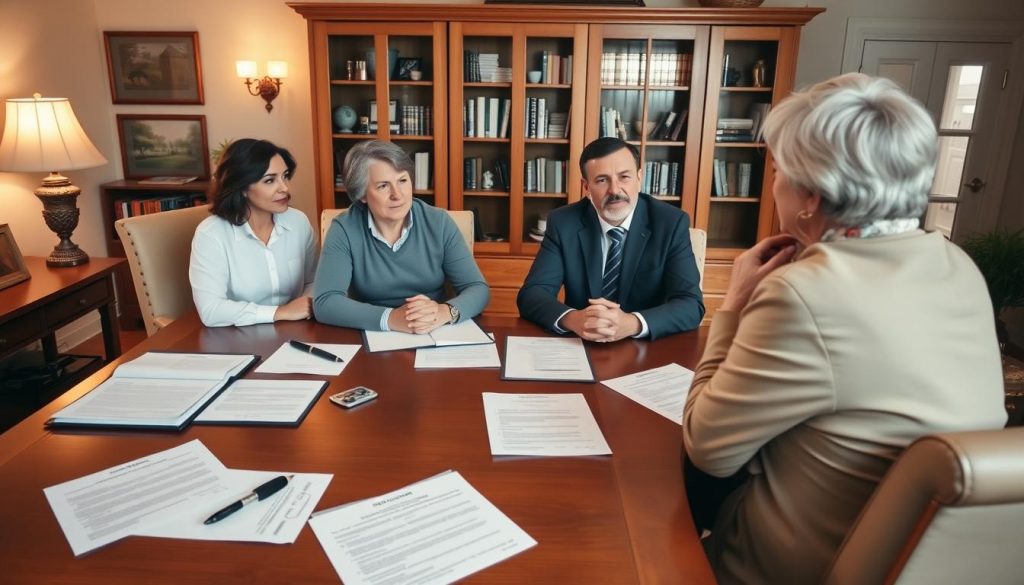
When you get married, your will doesn’t automatically update to include your new spouse, so it’s crucial to make the necessary changes. Marriage is a significant life event that can impact your estate planning, and updating your will is an essential step in ensuring that your spouse is included in your plans.
Updating Your Will Post-Marriage
After getting married, it’s vital to review and update your will to reflect your new marital status. This includes considering the legal implications for your new spouse and ensuring that your estate is distributed according to your wishes. We recommend taking the following steps:
- Review your existing will, if you have one, to determine what changes are needed.
- Consider the legal rights of your new spouse and how they may impact your estate plans.
- Update your will to include your spouse and any other beneficiaries you wish to include.
- Ensure that your will is signed and witnessed according to UK law.
As noted by a legal expert, “A will is not just about distributing assets; it’s about ensuring that your loved ones are cared for according to your wishes.”
“A will is a declaration of your intentions regarding the distribution of your estate after your passing. It’s a vital document that ensures your wishes are respected.”
Legal Considerations for New Spouses
When updating your will after marriage, it’s essential to consider the legal rights of your new spouse. In the UK, spouses have certain rights under the Inheritance (Provision for Family and Dependants) Act 1975, which allows them to claim against the estate if they are not adequately provided for.
| Legal Consideration | Description |
|---|---|
| Inheritance Act 1975 | Allows spouses to claim against the estate if not adequately provided for. |
| Spousal Rights | Spouses have legal rights to a portion of the estate, which can impact how assets are distributed. |
| Estate Distribution | The distribution of assets should consider the legal rights of the spouse and other beneficiaries. |
By understanding these legal considerations and updating your will accordingly, you can ensure that your estate is distributed according to your wishes, providing peace of mind for you and your loved ones.
Challenges to Wills by Spouses
In the UK, spouses have legal recourse if they believe they haven’t been adequately provided for in a will. This is particularly relevant when considering the legal effects of marriage on wills. We understand that contesting a will can be a complex and emotionally charged process.
Grounds for Contesting a Will
A spouse may contest a will if they feel that the provisions made for them are not reasonable. The court’s primary concern is to ensure that the spouse is adequately maintained. Factors considered include the spouse’s financial needs, the size and nature of the estate, and any other relevant circumstances.
- The financial needs and resources of the spouse.
- The duration of the marriage and its impact on the spouse’s financial situation.
- Contributions made by the spouse to the marriage, whether financial or otherwise.
Key Cases in the UK
Several key cases in the UK have shaped the way courts handle disputes over wills and spousal inheritance. For instance, the case of Ilott v Mitson highlighted the complexities of adult children’s claims against an estate, though it directly pertains to children, it sets a precedent for understanding the court’s perspective on familial provisions.
“The court’s role is to ensure that a spouse is reasonably maintained, taking into account the circumstances of the case.” –
Let’s examine some key statistics related to will contests in the UK:
| Year | Number of Contested Wills | Percentage Resulting in Court Ruling |
|---|---|---|
| 2018 | 420 | 25% |
| 2019 | 450 | 28% |
| 2020 | 480 | 30% |
For more information on what happens if you die without a will in the UK, you can visit our detailed guide on MP Estate Planning.

Understanding the inheritance laws on marriage and the legal effects of marriage on wills is crucial for spouses to navigate their rights and obligations under UK law. We are committed to providing clear guidance to help you protect your family’s future.
Importance of Clear Communication
Clear communication with your spouse about estate plans is vital for avoiding future conflicts. When you and your spouse are on the same page regarding your estate plans, you can ensure that your wishes are respected and your assets are distributed according to your desires.
Discussing Estate Plans with Your Spouse
Discussing your estate plans with your spouse can help prevent misunderstandings and ensure that you both share the same vision for your future. This conversation is particularly important when it comes to marital property and wills, as it can significantly impact how your assets are distributed. We recommend that you take the time to review your estate plans together, considering factors such as your children’s needs, any previous marriages, and your overall financial situation.
For guidance on how to effectively communicate with your spouse about estate plans, you may find it helpful to consult resources such as this module on communication in marriage, which provides valuable insights into maintaining open and effective communication.
Implications of Family Dynamics
Family dynamics can significantly influence how your estate is distributed, making it essential to consider these factors when planning your estate. By discussing your wishes with your spouse and understanding the implications of your family dynamics, you can work together to create an estate plan that reflects your shared goals and minimizes potential conflicts.
Updating your will after marriage is a critical aspect of estate planning, especially when there are changes in your family dynamics. We can help you navigate these changes and ensure that your will accurately reflects your current situation and wishes.
Tax Considerations for Married Couples
Three rule changes you may need to consider (2026/27)
1. Pensions become subject to IHT from 6 April 2027. Most unused defined-contribution pension pots currently sit outside the estate for IHT — that ends on 6 April 2027 (gov.uk policy paper). HMRC estimates around 10,500 estates will face IHT for the first time as a result.
2. Business and agricultural property reliefs capped at £2.5m per person from 6 April 2026. Above the cap, only 50% relief applies — effective IHT of 20%. AIM shares dropped to 50% relief and do not use the £2.5m allowance (Saffery — APR/BPR reforms).
3. The NRB, RNRB and £2m taper threshold are frozen until 5 April 2031 following the 2024 and 2025 Budgets (gov.uk — NRB and RNRB freeze). With inflation, more estates will be pulled into IHT each year — a process commonly called “fiscal drag.”
Understanding the tax implications of marriage is crucial for effective estate planning. When couples marry, their financial situation changes significantly, and so do their tax obligations.
Inheritance Tax Basics
Inheritance Tax (IHT) is a tax on the estate of someone who has passed away. In the UK, IHT is charged at 40% on the value of the estate above the nil-rate band, which is currently £325,000. However, there are certain exemptions and reliefs available that can reduce this tax burden.
One key aspect to consider is the residence nil-rate band (RNRB), which is an additional allowance available when a residence is passed to direct descendants. This can increase the outside the scope of IHT allowance to £500,000 or more, depending on the circumstances.
Spousal Exemptions and Benefits
Marriage can significantly impact IHT liabilities due to spousal exemptions. Transfers between spouses are generally exempt from IHT, provided that the recipient spouse is domiciled in the UK. This means that spouses can inherit from each other without incurring IHT liabilities.
Additionally, when the surviving spouse passes away, they can benefit from any unused nil-rate band and residence nil-rate band from the deceased spouse. This can be particularly beneficial in reducing the overall IHT liability.
| Tax Benefit | Description | Benefit |
|---|---|---|
| Spousal Exemption | Transfers between spouses are exempt from IHT | No IHT liability on spouse inheritance |
| Nil-Rate Band Transfer | Unused nil-rate band can be transferred to the surviving spouse | Potential to double the nil-rate band |
| Residence Nil-Rate Band | Additional allowance when a residence is passed to direct descendants | Can increase outside the scope of IHT allowance to £500,000 or more |
It’s essential for married couples to review their estate planning and consider the tax implications of their combined assets. By understanding the available exemptions and benefits, couples can make informed decisions to minimize their IHT liability.
Seeking Legal Advice
When it comes to estate planning, especially after a significant life event like marriage, seeking legal advice is crucial. We understand that navigating the complexities of wills and estate distribution can be daunting, but with the right guidance, you can ensure that your family’s future is protected.
When to Consult a Solicitor
It’s essential to consult a solicitor when you’re planning your estate, particularly after getting married. Marriage can significantly alter the legal landscape of your will, and a solicitor can help you understand these changes. For instance, in the UK, marriage can revoke a previous will, unless it was made in contemplation of that marriage. A solicitor can guide you through the process of updating your will to reflect your new marital status.
Some key scenarios where seeking legal advice is beneficial include:
- When you get married or remarried, to ensure your will is updated accordingly.
- If you have children from a previous marriage, to balance the needs of your current spouse and children.
- When there’s a significant change in your assets, such as inheritance or substantial financial changes.
Finding the Right Legal Professional
Finding the right solicitor for your estate planning needs can make a significant difference. We recommend looking for a legal professional who specializes in family law and estate planning. They should have a good understanding of the UK’s legal framework regarding wills and intestacy.
Here are some tips for finding the right solicitor:
- Ask for recommendations from friends, family, or financial advisors.
- Check the solicitor’s credentials and experience in handling estate planning cases.
- Ensure they are a member of a professional body such as the Society of Trust and Estate Practitioners (STEP).
As Legal & Financial Matters states, “Choosing the right solicitor can be the difference between a well-planned estate and a costly dispute.” Therefore, taking the time to find a solicitor who understands your needs is crucial.
By seeking legal advice and finding the right solicitor, you can ensure that your estate is planned effectively, providing peace of mind for you and your loved ones.
Conclusion: Planning for the Future
Marriage is a significant life event that can impact your estate planning, including your will. Understanding how inheritance laws on marriage affect your plans is crucial for protecting your family’s future.
Reviewing Your Estate Plans
After getting married, it’s essential to review and update your will to reflect your new circumstances. This ensures that your spouse and other loved ones are provided for according to your wishes.
Taking Proactive Steps
Proactive estate planning is vital for safeguarding your family’s well-being. By regularly reviewing and updating your will, you can ensure that it remains relevant and effective in the event of your passing. This includes considering the implications of marriage and wills on your estate distribution.
We are committed to providing you with the necessary guidance and support to ensure that your estate planning is effective and reflects your wishes. By planning ahead, you can ensure that your loved ones are protected and your legacy is preserved.
FAQ
Does getting married automatically revoke my existing will?
In many jurisdictions, getting married can automatically revoke a previous will unless it was made with the marriage in contemplation. It’s essential to review and update your will after marriage to ensure your wishes are respected.
What happens to my estate if I die without a will after getting married?
If you die without a will, intestacy rules will apply, potentially giving your spouse certain rights to your estate. Understanding these rules is crucial for effective estate planning.
How does a prenuptial agreement affect my will?
A prenuptial agreement can significantly impact how your will is interpreted and executed. If you have a prenuptial agreement, it’s crucial to review your will to ensure that it aligns with the agreement.
What are the legal requirements for a valid will in the UK?
In the UK, a will must be in writing, signed by the testator, and witnessed by two independent witnesses. Ensuring your will meets these requirements is vital for its validity.
Can my spouse contest my will if they feel inadequately provided for?
Yes, if a spouse feels they have not been adequately provided for in a will, they may contest it. UK law provides certain protections for spouses, and understanding these laws is essential for effective estate planning.
How do marital property laws affect estate distribution?
Marital property laws dictate how assets are shared between spouses and can significantly impact how your estate is distributed. Understanding these laws is crucial for effective estate planning.
What are the tax implications of estate planning for married couples?
Inheritance tax laws provide certain exemptions and benefits for spouses, which can significantly impact your overall tax liability. Understanding these laws can help you make informed decisions about your estate planning.
Why is it essential to update my will after marriage?
Updating your will after marriage is crucial to ensure that your new spouse’s rights are considered and your estate is distributed according to your wishes.
When should I seek legal advice for estate planning?
Seeking legal advice is a critical step in estate planning, especially after significant life events like marriage. A legal professional can provide you with the necessary guidance and expertise to ensure that your estate is planned effectively.
How can I ensure clear communication with my spouse about our estate plans?
Discussing your wishes and plans with your spouse can help ensure that you are both on the same page and can avoid potential conflicts. Understanding family dynamics and their implications on estate distribution is also crucial.
Will in Contemplation of Marriage — and How Scots Law Differs
Most people are aware that marriage can affect an existing will, but fewer realise there is a practical legal mechanism that allows you to draft a will before your wedding that survives the marriage automatically. Understanding this provision — and how the rules differ if you live in Scotland — is essential for any couple approaching a significant life change.
What Is a Will in Contemplation of Marriage?
Under section 177 of the Wills Act 1837, a will made in England or Wales is not automatically revoked by a subsequent marriage if it is expressed to be made in contemplation of that marriage. In practice, this means a solicitor can draft a will that explicitly states it is made in contemplation of marriage to a named individual. Provided the marriage to that specific person then takes place, the will remains valid and operative. This is sometimes called a contemplation clause or an s.177 declaration.
In our experience, this provision is genuinely underused. Many couples instruct a solicitor to draft new wills after the wedding — which is entirely appropriate — but where there is an immediate planning need (for example, an imminent wedding combined with existing property interests or children from a previous relationship), a will drafted under s.177 can provide continuity of protection without a gap in coverage. You can read the underlying legislation at legislation.gov.uk — Wills Act 1837, s.18 and s.177.
Practical Considerations Before Using This Approach
A contemplation clause is typically only effective where the will names the intended spouse and the marriage actually takes place. If the wedding does not proceed, the will is generally revoked in the usual way upon any different subsequent marriage. It is also worth noting that a will in contemplation of marriage does not resolve every planning question — it does not, for instance, automatically update beneficial interests, trust provisions or pension nominations, which may need to be reviewed separately.
Our team would always recommend taking qualified legal advice from a regulated solicitor when drafting or updating a will around a forthcoming marriage. The Solicitors Regulation Authority’s Find a Solicitor tool can help you identify a suitably qualified practitioner in your area.
How Scotland Differs — Prior Rights and Ius Relictae
The rules described above apply specifically to England and Wales. Scotland operates under an entirely separate legal framework, and the differences are material. In Scotland, marriage does not automatically revoke an existing will. However, Scots law provides a surviving spouse with statutory entitlements that can apply regardless of what any will says.
These are broadly:
- Prior rights — which may entitle the surviving spouse to a share of the deceased’s dwellinghouse (up to a set financial limit), furniture and a financial provision from the estate, depending on whether children also survive.
- Legal rights (ius relictae or ius relicti) — which give the surviving spouse a one-third share of the deceased’s net moveable estate if there are surviving children, or one-half if there are none. Crucially, legal rights cannot be defeated by a will; the surviving spouse must choose between claiming legal rights or accepting what the will provides.
If you are domiciled in Scotland or hold significant Scottish assets, the interaction between these statutory rights and any testamentary arrangements you have made is a specialist area. Our team would encourage you to seek advice from a Scottish solicitor with experience in succession law, as English and Welsh estate planning structures may not translate directly.
Common Questions About Marriage and Wills
Can a husband leave his wife out of his will?
Technically, yes — in England and Wales there is no rule that automatically forces a testator to leave assets to their spouse. However, a surviving spouse who has been left out of a will, or provided for inadequately, may apply to the court under the Inheritance (Provision for Family and Dependants) Act 1975 for reasonable financial provision. Courts have shown a willingness to make substantial awards to surviving spouses in such cases. In addition, intestacy rules contain their own protections: where no valid will exists, a surviving spouse typically receives all personal chattels plus the first £322,000 statutory legacy (a figure updated on 26 July 2023) before any division of the remainder with children or other relatives.
Can I leave everything to my children and not my husband?
You may draft a will leaving your estate to your children, but your spouse retains the right to bring a 1975 Act claim for reasonable provision. What a court considers reasonable for a surviving spouse is generally assessed by reference to the standard of living enjoyed during the marriage, the length of the marriage and the claimant’s own financial resources. In our experience, entirely disinheriting a spouse is rarely straightforward and carries a meaningful litigation risk. It is also worth noting that transfers between UK-domiciled spouses are outside the scope of Inheritance Tax under section 18 of the Inheritance Tax Act 1984 — so disinheriting a spouse in favour of children may also create an immediate IHT exposure depending on the size of the estate.
Is your spouse automatically your beneficiary if you are married?
Not automatically under a will — a valid will controls who benefits, subject to the 1975 Act protections described above. However, if you die without a valid will, intestacy rules under the Administration of Estates Act 1925 (as subsequently updated) do treat your spouse as the primary beneficiary up to the statutory legacy threshold of £322,000, with further protections beyond that sum. Separately, many assets — such as jointly held property passing by survivorship, pension death benefits and life insurance written in trust — sit outside the estate entirely and may pass to a named beneficiary or at the discretion of trustees, regardless of what any will says.
Can a will supersede a spouse?
A will can direct assets away from a spouse, but it cannot entirely remove the spouse’s legal protections. The 1975 Act and, where applicable, intestacy rules act as safeguards. In Scotland, as noted above, legal rights in moveable estate cannot be overridden by a will at all. A carefully drafted estate plan — potentially including lifetime gifts, trusts or other structures — may achieve particular outcomes, but our team would strongly recommend taking regulated legal advice before attempting to structure around spousal entitlements.
Can a wife change a deceased husband’s will?
No. Once a person has died, their will is fixed and cannot be altered by a surviving spouse unilaterally. However, beneficiaries — including a surviving spouse — can collectively agree to vary the distribution of an estate through a deed of variation, typically within two years of the date of death. A deed of variation can redirect assets and, if correctly drafted, may be treated for IHT and Capital Gains Tax purposes as if the deceased had made the varied gift directly. All affected beneficiaries must consent, and the deed must meet specific formal requirements. This is a nuanced area, and our team would encourage you to seek advice from a qualified solicitor or regulated tax adviser before proceeding.