


When a loved one passes away, the process of dealing with their estate can be challenging, especially if there are issues with the validity or clarity of their will.
Disputes often arise due to ambiguous descriptions of property or difficulties in identifying the intended beneficiaries.
Clear will drafting is crucial to prevent such disputes, and understanding the legal framework can help protect your family’s assets.
We will explore how courts in the UK handle these sensitive matters, providing guidance on navigating the complexities of probate disputes.
Key Takeaways
- Understanding the common causes of will disputes can help in preventing them.
- Courts in the UK play a crucial role in resolving probate disputes.
- Clear and precise will drafting is essential to avoid disputes.
- Seeking professional advice can help in navigating the complexities of UK will dispute laws.
- Protecting your family’s assets requires a thorough understanding of the legal framework surrounding wills.
Understanding Will Interpretation in the UK
In the UK, understanding will interpretation is crucial for ensuring that the deceased’s wishes are respected. The process involves a careful analysis of the will’s wording to determine the testator’s intentions.
What is Will Interpretation?
Will interpretation refers to the process by which the courts decipher the meaning of a will when its provisions are unclear or ambiguous. The starting point for interpreting a will is the actual words used by the testator. The court’s role is to understand the testator’s intentions from the language used in the will.
The court’s power to interpret a will is limited; it cannot supply, omit, or change words unless absolutely necessary. This principle ensures that the testator’s original intent is preserved as much as possible.
Importance of Clear Wills
Having a clear will is essential to prevent disputes among beneficiaries and ensure that the testator’s wishes are carried out. A well-drafted will reduces the likelihood of ambiguity, making it easier for executors to administer the estate.
Key benefits of a clear will include:
- Reduced risk of disputes among beneficiaries
- Clear understanding of the testator’s intentions
- Efficient administration of the estate
Common Terms Used in Wills
Understanding common terms used in wills can help clarify the testator’s intentions. Some of these terms include:
- Testator: The person who makes the will.
- Executor: The person or entity responsible for administering the estate according to the will.
- Beneficiary: The person or entity that receives assets or benefits from the estate.
Being familiar with these terms can help individuals understand their roles and responsibilities in the context of a will.
Categories of Will Disputes
Disputes over wills can arise from various sources, and understanding these categories is crucial for navigating the complexities of challenging will provisions. When we help clients through the process of inheritance dispute resolution, it’s essential to identify the nature of the dispute.
Ambiguity in Wills
One common category of will disputes involves ambiguity within the will itself. This can occur when the language used is unclear or open to multiple interpretations. For instance, if a will contains a provision that is vague or contradictory, it can lead to disagreements among beneficiaries.
To resolve such disputes, courts often look to external evidence to clarify the testator’s intentions. This might include previous drafts of the will, correspondence, or testimonies from witnesses familiar with the testator’s wishes.
Lack of Testamentary Capacity
Another significant category involves challenging the testator’s mental capacity at the time of making the will. To be valid, a testator must have had the requisite mental capacity, understanding the nature of their actions, the extent of their assets, and the implications of their decisions.
Disputes arising from alleged lack of testamentary capacity require careful examination of the testator’s state of mind. Medical records, witness testimonies, and other evidence are crucial in determining whether the testator was capable of making informed decisions.
Undue Influence
Undue influence occurs when a person exerts pressure or manipulation over the testator, influencing the will’s content in a way that doesn’t reflect the testator’s true wishes. This can be a particularly challenging issue to resolve, as it often involves complex interpersonal dynamics and subtle forms of coercion.
To establish undue influence, it’s necessary to demonstrate that the testator was subjected to coercion that overrode their free will. The burden of proof typically lies with the party alleging undue influence.

| Category of Dispute | Description | Key Evidence |
|---|---|---|
| Ambiguity in Wills | Unclear or contradictory provisions within the will. | External evidence, previous drafts, witness testimonies. |
| Lack of Testamentary Capacity | Testator lacked mental capacity to understand their actions. | Medical records, witness testimonies, professional assessments. |
| Undue Influence | Coercion or manipulation influencing the will’s content. | Testimonies, correspondence, evidence of coercion. |
Understanding these categories is essential for navigating the complexities of will disputes. By identifying the specific issues at play, parties involved can better prepare for the contested will court process and work towards a resolution.
Legal Framework Governing Wills
In the UK, the interpretation of wills is governed by a robust legal framework that ensures the wishes of the deceased are respected while providing a clear structure for resolving disputes.
The Wills Act 1837
The Wills Act 1837 is a cornerstone of UK legislation regarding wills. It sets out the basic requirements for a will to be considered valid, including the need for the testator to be of sound mind, to be over 18 (or 21 in some cases historically), and for the will to be in writing, signed, and witnessed. Understanding the rights to money left in a UK is crucial for beneficiaries and executors alike.
Relevant Case Law
Case law plays a significant role in shaping the interpretation of wills. Judicial decisions in landmark cases provide guidance on how to apply the law to specific circumstances, helping to clarify ambiguities and set precedents for future disputes. For instance, cases involving the interpretation of specific clauses or the capacity of the testator can significantly impact how wills are understood and contested.

The Role of Statutory Instruments
Statutory instruments further refine the legal framework by providing detailed regulations that support the primary legislation. These instruments can cover a range of matters, from the procedural aspects of probate to the administration of estates. They are essential for practitioners and individuals involved in disputing estate distribution, as they offer a clearer understanding of the legal obligations and rights involved.
The legal framework governing wills in the UK is a complex interplay of statute, case law, and statutory instruments. Understanding this framework is vital for anyone involved in a will dispute, as it provides the context and rules that govern the resolution of such disputes.
Factors Leading to Disputes
Understanding the factors that lead to will disputes is crucial for families seeking to avoid lengthy legal battles. Disputes over wills can arise from various sources, and being aware of these can help in drafting wills that are less likely to be contested.
Changes in Personal Relationships
Changes in personal relationships are a significant factor in will disputes. Divorce, remarriage, or estrangement can all impact how assets are distributed. For instance, a will that was made during a previous marriage may not reflect the testator’s current wishes, leading to potential disputes among beneficiaries.
We often see cases where the deceased’s relationships with their family members have changed over time, but their will does not reflect these changes. This can lead to feelings of unfairness and mistrust among those left behind.

Complex Family Structures
Complex family structures can also contribute to will disputes. Blended families, adopted children, or children from previous marriages can complicate the distribution of assets. It’s essential to consider the needs and expectations of all family members when drafting a will.
- Clearly defining the beneficiaries and their respective shares can help reduce disputes.
- Regularly updating the will to reflect changes in family dynamics is also crucial.
Evolving Financial Circumstances
Evolving financial circumstances, such as significant changes in wealth or the acquisition of new assets, can also lead to disputes. A will that was made during a different financial period may not accurately reflect the testator’s current financial situation or wishes.
We advise our clients to review and update their wills regularly to ensure that it remains relevant and effective in the face of changing financial circumstances.
By understanding these factors and taking proactive steps, families can reduce the risk of disputes over wills and ensure that their loved ones are protected.
The Role of Lawyers in Will Disputes
Navigating will disputes requires the expertise of lawyers who can clarify executor duties and guide clients through the contested will court process. Lawyers play a crucial role in will disputes, from providing legal advice to representing clients in court.

Importance of Legal Advice
Seeking legal advice is a critical step when dealing with will disputes. Lawyers can offer executor duties clarification, helping to understand the legal obligations and responsibilities involved. This guidance is invaluable in ensuring that the executor acts in accordance with the law and the deceased’s wishes.
For those involved in a will dispute, understanding the role of a will dispute lawyer can be beneficial. These legal professionals specialize in navigating the complexities of will disputes, providing expert advice and representation.
Choosing an Experienced Solicitor
Selecting the right solicitor is vital in will disputes. An experienced solicitor can provide in-depth knowledge of the legal framework governing wills, including the Wills Act 1837 and relevant case law. They can also offer strategic advice on how to navigate the dispute resolution process.
When choosing a solicitor, consider their experience in handling contested wills and their understanding of the contested will court process. This expertise can significantly impact the outcome of the dispute.
Mediation vs. Litigation
In will disputes, parties often face the decision between mediation and litigation. Mediation offers a less adversarial approach, where a neutral third party facilitates a resolution between the disputing parties. Litigation, on the other hand, involves taking the dispute to court, where a judge will make a binding decision.
The choice between mediation and litigation depends on various factors, including the nature of the dispute and the preferences of the parties involved. Lawyers can advise on the most appropriate course of action, helping clients to make informed decisions.
Evidence Considered by Courts
Resolving will disputes in the UK involves a thorough examination of evidence to ascertain the testator’s true intentions. When a will is contested, the court’s primary goal is to understand the deceased’s wishes as clearly as possible.
Witness Testimonies
One of the critical pieces of evidence considered by courts is testimony from witnesses. These can include individuals who were present when the will was signed, those who knew the deceased’s intentions, or experts who can provide insight into the deceased’s mental capacity at the time of writing the will.
Witness testimonies can be particularly valuable in cases where there are allegations of undue influence or questions about the testator’s testamentary capacity. The credibility and reliability of witnesses are carefully assessed by the court.
Previous Drafts of the Will
Previous drafts of the will can also provide crucial evidence. By comparing different versions, the court can identify changes and understand the evolution of the testator’s intentions. This can be particularly relevant in cases where there are disputes over whether the final version of the will accurately reflects the deceased’s wishes.
For instance, if a beneficiary is disputing a change made in the final version of the will, examining previous drafts can help clarify whether the change was made intentionally by the testator or if it was a result of external influence.
Correspondence and Documentation
Relevant correspondence and documentation are also considered by the courts. This can include letters, emails, or other communications that may shed light on the testator’s intentions or the circumstances surrounding the creation of the will.
For example, a letter from the testator to a beneficiary explaining their decisions can be a powerful piece of evidence. Similarly, documentation showing the testator’s financial situation and decisions regarding asset distribution can help resolve disputes related to challenging will provisions.
In conclusion, the courts in the UK take a comprehensive approach to resolving will disputes by considering a wide range of evidence. Understanding the types of evidence that are relevant can help individuals prepare for potential disputes and ensure that their wishes are respected.
Court Procedures in Will Interpretation
The court plays a pivotal role in interpreting wills, especially when beneficiaries or executors disagree on the deceased’s intentions. When a dispute arises, understanding the court’s procedures can help navigate this complex process.
Filing a Claim
The first step in contesting a will is filing a claim with the court. This involves submitting a formal complaint or petition outlining the reasons for the dispute. We recommend seeking legal advice to ensure that the claim is properly prepared and presented. For more information on contesting a will after probate, you can visit our detailed guide.
The Role of the High Court
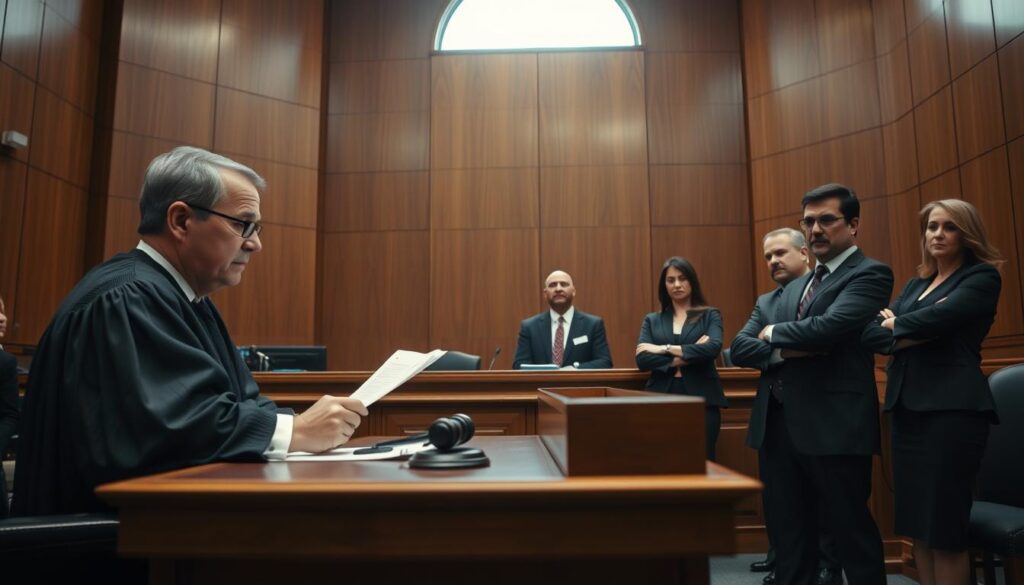
The High Court has jurisdiction over will disputes, particularly those involving significant assets or complex family dynamics. The court’s role is to interpret the will according to the deceased’s intentions, as well as to ensure that the legal requirements are met. The High Court’s decisions are binding and can have significant implications for the distribution of the estate.
Expected Timelines for Disputes
The timeline for resolving will disputes can vary significantly depending on the complexity of the case and the court’s schedule. Generally, the process can take several months to a few years. Here is a simplified overview of the typical stages and their expected durations:
| Stage | Expected Duration | Description |
|---|---|---|
| Filing a Claim | 1-3 months | Submitting the initial claim and response |
| Pre-trial Proceedings | 3-6 months | Gathering evidence and witness testimonies |
| Trial | 6-12 months | The court hearing and judgment |
| Appeals | 6-12 months | Potential appeals process |
Understanding these timelines can help parties prepare for the process ahead and manage their expectations. It’s essential to work with experienced legal professionals to navigate these stages effectively.
Key Cases in Will Interpretation
The interpretation of wills in the UK has been shaped by numerous landmark cases. These cases have not only resolved disputes but have also set important legal precedents that guide future will interpretations.
Pivotal Legal Precedents
Several cases have been pivotal in shaping the legal framework for will interpretation in the UK. For instance, the case of Intention is key when interpreting frustrated highlights the importance of understanding the testator’s intention.
This case and others like it have established that the court’s primary role is to interpret the will as written, while also considering the context and circumstances surrounding its creation.
Landmark Judgments
Landmark judgments have significantly influenced the legal landscape of will interpretation. One such judgment is the Marquess of Salisbury v. Keymer case, which underscored the importance of clear and unambiguous language in wills.
The court’s decision in this case demonstrated that when the language used is clear, the court will not speculate on the testator’s intentions beyond what is written.
Implications for Future Disputes
The implications of these landmark cases and legal precedents are far-reaching. They not only guide the resolution of current disputes but also inform the drafting of wills to minimize future disputes.
For example, the emphasis on clear language and the consideration of the testator’s context can help in drafting wills that are less likely to be disputed.
| Case | Key Finding | Implication |
|---|---|---|
| Intention is key when interpreting frustrated wills | Understanding the testator’s intention is crucial | Guides courts in interpreting wills |
| Marquess of Salisbury v. Keymer | Clear language in wills is paramount | Reduces speculation on testator’s intentions |

As we can see from these cases, the legal landscape of will interpretation in the UK is complex and nuanced. By understanding these key cases and their implications, individuals can better navigate the process of creating or disputing a will.
Alternative Dispute Resolution Methods
Alternative dispute resolution methods offer a viable alternative to litigation for resolving will interpretation disputes in the UK. These methods can provide a less adversarial and more cost-effective way to resolve disputes, preserving family relationships and reducing the emotional toll often associated with contentious probate cases.
Mediation Explained
Mediation is a form of alternative dispute resolution where a neutral third-party facilitates a discussion between the disputing parties to help them reach a mutually acceptable agreement. In the context of will interpretation disputes, mediation can be particularly useful as it allows for a more flexible and less formal process than court litigation.
We have seen mediation work effectively in cases where family members are in dispute over the interpretation of a will. By facilitating open communication, mediation can help parties understand each other’s perspectives and work towards a resolution that respects the deceased’s intentions as closely as possible.
Advantages of Arbitration
Arbitration is another alternative dispute resolution method that involves a neutral third-party making a decision on the dispute after hearing arguments from both sides. One of the key advantages of arbitration is its finality; the arbitrator’s decision is binding, which can provide certainty and closure for the parties involved.
Arbitration can be particularly beneficial in complex will interpretation disputes where expert knowledge is required to understand the legal and financial implications of different interpretations. By choosing an arbitrator with relevant expertise, parties can ensure that the decision is informed by a deep understanding of the issues at hand.
| Method | Description | Benefits |
|---|---|---|
| Mediation | A neutral third-party facilitates discussion to reach a mutual agreement. | Less adversarial, preserves family relationships, cost-effective. |
| Arbitration | A neutral third-party makes a binding decision after hearing arguments. | Provides finality, expert knowledge can be utilized, reduces court backlog. |
When to Seek Court Intervention
While alternative dispute resolution methods can be highly effective, there are situations where seeking court intervention is necessary. If the dispute involves allegations of fraud, undue influence, or lack of testamentary capacity, court proceedings may be required to ensure that the matter is handled with the appropriate level of scrutiny and legal authority.
For guidance on challenging a will in the UK, including understanding when court intervention might be necessary, we recommend visiting our detailed guide on how to challenge a will in the. This resource provides expert advice on navigating the complexities of will disputes.
In conclusion, alternative dispute resolution methods such as mediation and arbitration can offer significant advantages in resolving will interpretation disputes. However, it’s crucial to understand when these methods are appropriate and when court intervention is required to protect the interests of all parties involved.
Tips for Drafting a Clear Will
Drafting a clear will is essential to ensure that your wishes are carried out without dispute. A well-crafted will can help prevent issues related to contesting will validity and provide clarity on executor duties.
Be Clear and Specific
Clarity is key when drafting a will. Being specific about your assets, beneficiaries, and executor duties can help avoid confusion and disputes. This includes providing detailed information about your estate and the individuals involved.
Keep Your Will Up-to-Date
Regular updates to your will are vital, especially after significant life events such as marriage, divorce, or the birth of a child. This ensures that your will remains relevant and reflects your current wishes, reducing the risk of disputes over executor duties clarification.
Seek Professional Advice
Consulting with a professional solicitor can provide valuable insights and help you draft a will that is clear, valid, and less likely to be contested. They can offer guidance on the legal requirements and best practices for will drafting.