


When it comes to protecting your family’s wealth, understanding the role of a trustee is essential. A trustee is a person who holds the legal title to property or assets and administers them for the benefit of specified beneficiaries.
As we explore the world of estate planning and trust assets, it becomes clear that a trustee plays a vital role in managing and distributing assets according to the settlor’s wishes. In English law, a trust is not a separate legal entity — it is a legal arrangement where the trustees are the legal owners of the assets, holding them on behalf of the beneficiaries. This creates a fiduciary duty requiring the trustee to act in the best interests of those beneficiaries at all times.
Key Takeaways
- A trustee is the legal owner of trust assets, holding them for the benefit of the beneficiaries — the trust itself has no separate legal personality.
- The role of a trustee is central to estate planning and the effective management of trust assets.
- A trustee must act with a fiduciary duty to the beneficiaries, always putting their interests first.
- Choosing the right trustee is essential for protecting your family’s wealth — England invented trust law over 800 years ago, and the trustee role is at its heart.
- A trustee’s responsibilities include managing and distributing assets according to the settlor’s wishes as set out in the trust deed.
The Definition and Role of a Trustee
In the context of English and Welsh law, a trustee plays a pivotal role in managing trust assets for the benefit of beneficiaries. Trustees are entrusted with significant responsibilities, making their role crucial in estate planning and asset protection.
Legal Definition in UK Law
A trustee, under English and Welsh law, is a person (or persons) who holds legal title to property or assets for the benefit of another party, known as the beneficiary. It is important to understand that a trust is a legal arrangement, not a legal entity — the trustees themselves are the legal owners of the trust property. This distinction between legal and beneficial ownership is the foundation of English trust law, developed over more than 800 years. A trustee’s obligations are governed by the Trustee Act 2000, the Trusts of Land and Appointment of Trustees Act 1996, and wider equitable principles. A minimum of two trustees is required for most trusts, particularly where land or property is held, and up to four trustees can be named on a property title at the Land Registry.
Fiduciary Relationship Explained
The relationship between a trustee and beneficiaries is a fiduciary one — meaning the trustee must always act in the best interests of the beneficiaries, not their own. This fiduciary duty is the cornerstone of English trust law, requiring trustees to be impartial, honest, and prudent in their decision-making. In a discretionary trust (the most common type, making up roughly 98–99% of trusts used in UK estate planning), no individual beneficiary has an automatic right to income or capital. This means the trustees must exercise genuine discretion when deciding how and when to make distributions — a responsibility that should not be taken lightly. This absence of any automatic entitlement is precisely what gives discretionary trusts their powerful protection against threats such as care fee assessments, divorce proceedings, and creditor claims against beneficiaries.
Primary Responsibilities Overview
Trustees have several key responsibilities, including:
- Managing trust assets prudently, in line with the duty of care set out in the Trustee Act 2000
- Acting in the best interests of beneficiaries and exercising discretion impartially
- Distributing trust assets according to the terms of the trust deed and considering any letter of wishes from the settlor
- Maintaining accurate records, filing trust tax returns (SA900) with HMRC, and ensuring the trust is registered on the Trust Registration Service (TRS) within 90 days of creation — this is mandatory for all UK express trusts
The following table summarises the primary responsibilities of a trustee and their implications:
| Responsibility | Description | Implication |
|---|---|---|
| Asset Management | Managing trust assets to ensure their preservation and growth, including property, investments, and other holdings. | Requires prudent decisions, taking into account the standard investment criteria under the Trustee Act 2000 and seeking proper advice where needed. |
| Beneficiary Interests | Acting in the best interests of beneficiaries, balancing different beneficiaries’ needs where necessary. | Demands impartiality, fairness, and genuine exercise of discretion — particularly in a discretionary trust where no beneficiary has an automatic entitlement. |
| Distribution | Distributing trust assets according to the trust deed. | Must follow the terms set out in the trust deed and consider any letter of wishes from the settlor, while being mindful of any tax consequences (IHT, income tax, or CGT). |

What Is a Trustee: Key Functions and Responsibilities
Understanding the role of a trustee is crucial for effective estate planning. Trustees are responsible for managing trust assets, ensuring that the settlor’s wishes — as expressed in the trust deed and any accompanying letter of wishes — are carried out. This involves several key functions and responsibilities that have real, practical consequences for families across the UK.
Asset Management and Protection
Trustees are tasked with the asset management and protection of trust assets. This includes:
- Managing investments in line with the trust’s objectives and the statutory duty of care under the Trustee Act 2000
- Protecting assets from potential threats — including local authority care fee assessments (where average residential care costs currently run between £1,100 and £1,500 per week), divorce claims from a beneficiary’s spouse, and creditor claims against beneficiaries
- Making informed decisions regarding the acquisition or disposal of assets, taking proper professional advice where needed
- Maintaining trust property — including arranging buildings insurance, paying for repairs, and keeping the property in good condition
Effective asset management is critical to the success of the trust, as it directly impacts the beneficiaries. In a discretionary trust, no beneficiary has a legal right to the trust assets — this is what provides the powerful layer of protection that makes trusts such an effective planning tool. If a beneficiary faces a divorce, a care fee assessment, or a creditor claim, the trust assets are not theirs to lose. As Mike Pugh of MP Estate Planning puts it: “What house? I don’t own a house.”

Distribution of Trust Assets
Another key responsibility of a trustee is the distribution of trust assets according to the trust deed. This involves:
- Interpreting the trust deed and considering the settlor’s letter of wishes to understand the settlor’s intentions
- Making distributions to beneficiaries in a timely and fair manner — in a discretionary trust, this means exercising genuine discretion rather than simply following a beneficiary’s demands
- Ensuring that distributions comply with UK tax law, including any inheritance tax (IHT), income tax, or capital gains tax (CGT) consequences — for example, exit charges from a discretionary trust are typically less than 1% of the value distributed, and in many cases are zero
Record-Keeping and Reporting
Trustees are also responsible for record-keeping and reporting. This is not optional — it is a legal obligation. This includes:
- Maintaining accurate and detailed records of all trust transactions, decisions, and distributions, including the reasoning behind key decisions
- Filing annual trust tax returns (SA900) with HMRC — trust income is taxed at 45% for non-dividend income and 39.35% for dividends, with the first £1,000 taxed at basic rate
- Ensuring the trust remains registered on the Trust Registration Service (TRS), which is mandatory for all UK express trusts — though importantly, the TRS register is not publicly accessible (unlike Companies House)
- Ensuring transparency and accountability in all trust dealings — while trustees of a discretionary trust do not have to share every detail with beneficiaries, they must be able to account for their actions if challenged
The following table summarises the key functions and responsibilities of a trustee:
| Responsibility | Description | Key Activities |
|---|---|---|
| Asset Management | Managing trust assets effectively and prudently | Investment decisions, risk protection, property maintenance, insurance, asset acquisition/disposal |
| Distribution | Distributing assets to beneficiaries | Interpreting trust deed and letter of wishes, exercising discretion, ensuring tax compliance on exits |
| Record-Keeping | Maintaining accurate records and fulfilling reporting obligations | Record maintenance, SA900 returns to HMRC, TRS registration, documenting decision-making rationale |
Types of Trustees in the UK
When setting up a trust in the UK, it’s essential to understand the different types of trustees available. Trustees can be individuals, specialist professionals, or corporate bodies, each offering different benefits and considerations. A trust requires a minimum of two trustees, and up to four trustees can be named on a property title at the Land Registry.
Individual Trustees
Individual trustees are often family members or trusted friends who are appointed because the settlor knows and trusts them personally. They are typically chosen for their reliability, integrity, and understanding of the family’s circumstances. Key advantages include their personal knowledge of the family’s needs and dynamics, and the fact that they do not usually charge for their services. However, individual trustees may lack professional expertise in trust administration, tax compliance, or investment management — which is why they should always be willing to seek proper advice when needed. It is common — and often advisable — for the settlor to also act as one of the trustees, keeping them directly involved in how the trust assets are managed during their lifetime. This is perfectly permissible under English law and helps the settlor retain a sense of control.
Professional Trustees
Professional trustees are specialists in trust management, typically solicitors, accountants, or specialist trust practitioners. They bring a high level of expertise and impartiality to the role. Their professional knowledge helps ensure compliance with HMRC requirements, proper trust administration, and sound decision-making. Because they hold themselves out as having specialist expertise, a higher standard of care is expected of them. Professional trustees will charge fees for their services, which should be agreed in advance and are usually set out in the trust deed or a separate engagement letter. They are particularly useful for complex trusts or where family dynamics might make it difficult for individual trustees to act impartially.
Corporate Trustees
Corporate trustees are limited companies established specifically to act as trustee. They offer continuity — because a company does not die, retire, or become incapacitated, the trust can continue seamlessly without the need to transfer legal title when a trustee changes. Corporate trustees can provide a stable and enduring management structure for trusts, which is particularly valuable for trusts intended to last for many years (discretionary trusts in England and Wales can last up to 125 years under the Perpetuities and Accumulations Act 2009). However, they typically charge ongoing fees and may feel less personal than appointing family members. A corporate trustee also counts as a single trustee for the purposes of holding land, so at least one additional individual trustee is normally required alongside them if no trust corporation is involved.

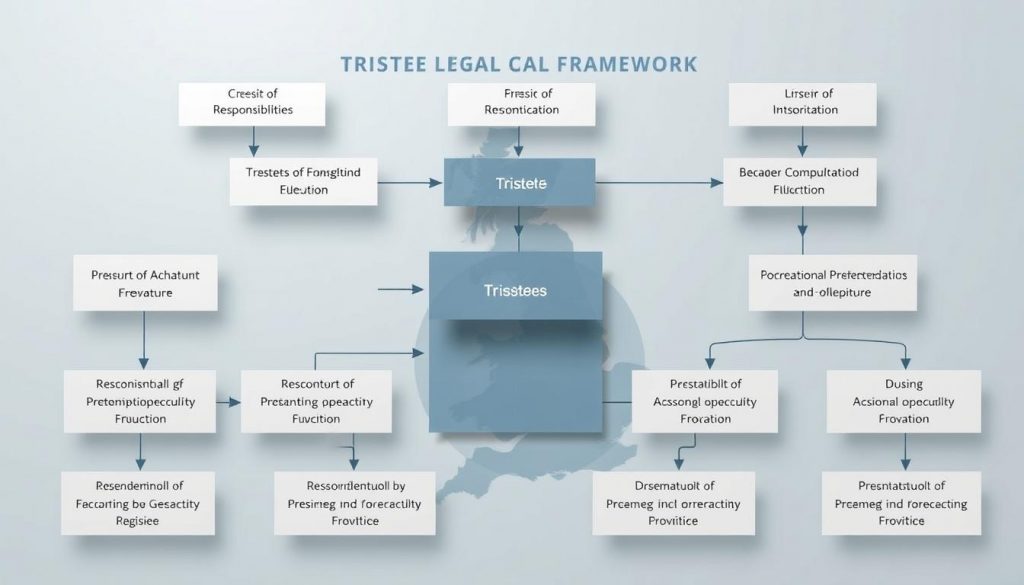
The Legal Framework for Trustees in the UK
Trustees in the UK must navigate a legal landscape shaped by statute, equitable principles developed over more than 800 years, and the specific terms of their trust deed. This framework exists to protect beneficiaries and ensure trustees carry out their duties effectively and lawfully.
For official guidance on trustee duties and powers in the UK, visit the UK government’s trustee responsibilities page.
Trustee Act 2000
The Trustee Act 2000 is the primary statute governing the powers and duties of trustees in England and Wales. It introduced a statutory duty of care requiring trustees to exercise such care and skill as is reasonable in the circumstances — with a higher standard expected of those who hold themselves out as having specialist expertise (such as a solicitor or accountant acting as trustee). The Act provides a general power of investment (allowing trustees to make any kind of investment that a person could make as absolute owner of the assets), sets out requirements for taking proper advice, and allows trustees to delegate certain functions to agents, nominees, and custodians. Importantly, the trust deed can modify or restrict the default powers given by the Act, so trustees must always check their specific deed first before exercising any power.
Common Law Duties
In addition to statutory requirements, trustees are bound by equitable duties developed through centuries of case law. These are some of the oldest and most robust principles in English law. They include the obligation to act impartially between beneficiaries, to avoid conflicts of interest (the ‘no-conflict’ rule), to avoid profiting from their position (the ‘no-profit’ rule), and to act with the utmost good faith. Trustees must also exercise their discretion genuinely — they cannot simply rubber-stamp decisions or blindly follow the instructions of one beneficiary. If a trustee possesses specialist expertise — for example, if a trustee is an accountant or solicitor — a higher standard of care is expected of them, reflecting that expertise.
Trust Deed Requirements
The trust deed is the founding legal document that sets out the terms of the trust, including the powers and duties of the trustees, the identity of the beneficiaries (or class of beneficiaries), and the trust property. It is essential that trustees understand and comply with the requirements set out in the trust deed, as it reflects the settlor’s intentions and governs the limits of the trustees’ authority. Well-drafted trust deeds — such as those prepared by MP Estate Planning — include “Standard and Overriding Powers” that give trustees defined flexibility to act in changing circumstances without making the trust revocable. This is a crucial distinction: the trust remains irrevocable (which is essential for inheritance tax planning and asset protection), but the trustees still have the powers they need to manage the trust effectively. Alongside the trust deed, a settlor may also prepare a letter of wishes, which guides the trustees on how the settlor would like the trust to be administered. While not legally binding, a letter of wishes carries significant moral weight and is the primary way the settlor communicates their intentions to the trustees.
| Legal Component | Description | Key Considerations |
|---|---|---|
| Trustee Act 2000 | Statutory framework governing trustee powers and duties in England and Wales | General power of investment, duty of care, power to delegate, requirement to take advice |
| Equitable Duties | Obligations developed through centuries of case law | Impartiality, no-conflict rule, no-profit rule, duty of good faith, genuine exercise of discretion |
| Trust Deed | The founding document setting out the specific terms of the trust | Understanding the settlor’s intentions, exercising powers within the deed’s terms, considering the letter of wishes |
How Trustees Are Appointed and Removed
The appointment and removal of trustees are significant aspects of trust management governed by the trust deed, the Trustee Act 1925, and the Trusts of Land and Appointment of Trustees Act 1996. Understanding these processes is vital for ensuring that trusts are administered effectively and that the family retains control over who manages their assets.
Appointment Process
The appointment of new trustees is primarily governed by the trust deed, which should set out who has the power to appoint replacements. Under the Trustee Act 1925, the power to appoint new trustees falls first to any person nominated in the trust deed for that purpose, then to the surviving or continuing trustees. The settlor (if still alive and if the deed permits) may also retain the power to appoint new trustees — this is a common and sensible provision in well-drafted trusts. Well-drafted trusts — such as those prepared by MP Estate Planning — include clear provisions for this, ensuring the family retains control over who manages the trust assets rather than leaving it to chance or the courts.
A common scenario is when a trustee passes away or becomes unable to act, and the remaining trustees appoint a replacement in accordance with the procedure set out in the trust deed. A deed of appointment is then prepared to formally record the change, and if the trust holds property, the Land Registry must be notified to update the registered title.
Resignation Procedures
A trustee may choose to retire from their role for any number of reasons — age, health, moving overseas, or simply wanting to step back. Under the Trustee Act 1925, a trustee can retire provided at least two trustees (or a trust corporation) remain after the retirement. The retiring trustee must execute a deed of retirement, and the remaining trustees and any person with the power to appoint new trustees must consent. It is important to note that the outgoing trustee remains liable for any breaches of trust that occurred during their time as trustee, even after retirement — you cannot walk away from past mistakes.
Removal of Trustees
The removal of trustees can be necessary in various circumstances and is usually governed by the trust deed or by statute. The Trustee Act 1925 allows for the removal of a trustee who remains outside the UK for more than 12 months, who refuses or is unfit to act, or who is incapable of acting. The trust deed may also include broader grounds for removal — and well-drafted deeds will do so, giving the family flexibility to act if circumstances change. In certain limited situations, where the beneficiaries are all adults, have full capacity, and are collectively entitled to the whole beneficial interest, they may be able to direct the appointment and removal of trustees under the Trusts of Land and Appointment of Trustees Act 1996.

In some cases, the court may also intervene to remove a trustee if it is in the best interests of the trust administration — though this is a last resort and involves an application to the Chancery Division of the High Court. It’s essential to follow the correct procedure — as set out in the trust deed and the relevant legislation — to avoid disputes or legal challenges. Having a well-drafted trust deed with clear provisions for removing and replacing trustees is one of the most important safeguards a settlor can put in place. As Mike Pugh says: “Plan, don’t panic” — and that includes planning for the day when a trustee change becomes necessary.
Powers and Authority of Trustees
Understanding the powers and authority of trustees is crucial for effective estate planning. Trustees hold the legal title to trust assets and are responsible for managing and distributing them in accordance with the trust deed. Their powers come from three sources: the trust deed itself (which always takes priority), the Trustee Act 2000, and wider equitable principles developed over centuries.

Investment Powers
Trustees have the power to invest trust assets wisely, ensuring their preservation and growth. Under the Trustee Act 2000, trustees have a general power of investment — meaning they can invest as if they were the absolute owner of the assets. Key aspects include:
- Investing in a diverse range of assets, such as shares, bonds, property, and cash deposits
- Having regard to the standard investment criteria, including the suitability of the investment to the trust and the need for diversification appropriate to the circumstances
- Taking proper advice from someone qualified to give it, except where it would be reasonably unnecessary to do so — for example, where the investment decision is straightforward. For further reading, see our guide on family trust funds
Administrative Powers
In addition to investment powers, trustees have various administrative powers that enable them to manage the trust effectively on a day-to-day basis. These include:
- Managing trust property — including maintaining a residential property held in trust, paying insurance premiums, arranging repairs, and dealing with tenants if the property is let
- Distributing income and capital to beneficiaries as permitted by the trust deed, exercising genuine discretion in a discretionary trust
- Employing professional advisors — such as solicitors, accountants, or investment managers — and paying their reasonable fees from the trust fund
- Delegating certain functions to agents, nominees, or custodians in accordance with the Trustee Act 2000, while retaining overall responsibility for supervision
Limitations on Trustee Powers
While trustees have significant powers, there are important limitations on their authority. These exist to protect the beneficiaries and ensure the trust operates as the settlor intended. They include:
- Acting strictly within the terms of the trust deed and relevant legislation — trustees cannot exceed the powers granted to them, and any action taken outside those powers may be void or voidable
- Avoiding conflicts of interest and never profiting from their position (unless the trust deed expressly permits charging for services rendered)
- Acting unanimously (unless the trust deed provides otherwise) — all trustees must agree on decisions, which provides a natural check and balance
- Seeking court approval for certain decisions that fall outside their defined powers, by applying to the Chancery Division of the High Court
- They cannot act on the instructions of a single beneficiary or the settlor once the trust is irrevocable — they must exercise their own independent judgement
Understanding trustee powers and their limitations is essential for effective trust management. By exercising their investment powers and administrative powers judiciously and within the bounds of the trust deed, trustees can ensure that the trust assets are managed in the best interests of the beneficiaries — which is ultimately the entire purpose of the trust.
Trustee vs Executor: Understanding the Differences
The roles of trustees and executors, though related, have significant differences in estate planning. Both are crucial in managing and distributing a deceased person’s assets, but their responsibilities, the source of their authority, and the timing of their involvement are distinct. Understanding these differences helps you plan more effectively.
Role and Timing Distinctions
An executor is appointed by a will to administer the deceased’s estate. Their role begins at the point of death and is typically temporary, ending once the estate has been fully administered — debts paid, inheritance tax (IHT) settled (at 40% on the taxable estate above the nil rate band, currently frozen at £325,000), and remaining assets distributed to the beneficiaries named in the will. During probate, sole-name assets are frozen — bank accounts, property, investments — and the executor must obtain a Grant of Probate from the Probate Registry before they can access most assets. This process currently takes anywhere from 3 to 12 months for the full process, and longer if property needs to be sold (often 9 to 18 months in total).
A trustee, by contrast, manages assets that are already held within a trust. Their role can last for decades — a discretionary trust in England and Wales can continue for up to 125 years. Crucially, trust assets bypass the probate process entirely. When a settlor dies, the trustees can continue to manage and distribute the trust assets immediately, without waiting for a Grant of Probate. There is no asset freeze, no court application, and no public record — the will becomes a public document once the Grant is issued, but the trust deed does not. This is one of the key practical advantages of placing assets into a lifetime trust.
Legal Responsibilities Compared
Executors and trustees both owe fiduciary duties, meaning they must act honestly and in the best interests of those they serve. However, executors are primarily concerned with winding up the estate — collecting assets, paying debts (including any IHT liability), and distributing what remains according to the will. Trustees focus on the ongoing management of trust assets, making investment decisions, exercising discretion over distributions, and ensuring compliance with HMRC reporting requirements (including annual SA900 trust tax returns and TRS registration). For more information on the interplay between these roles, you can visit our detailed guide on trustees who are also beneficiaries.
| Role | Executor | Trustee |
|---|---|---|
| Primary Responsibility | Administering the estate — paying debts and IHT, then distributing assets according to the will | Managing trust assets and distributing income or capital according to the trust deed |
| Duration of Role | Temporary — typically 3 to 18 months until the estate is fully administered | Can be long-term — potentially up to 125 years for a discretionary trust |
| Probate Required? | Yes — must apply for a Grant of Probate from the Probate Registry, with sole-name assets frozen until granted | No — trust assets bypass probate entirely, giving trustees immediate access with no public record |
By recognising these differences, individuals can better plan their estates, ensuring that their wishes are carried out efficiently. Many people choose to combine a well-drafted will with a lifetime trust, so that the executor handles the probate estate while the trustees manage the protected trust assets — giving the family both speed and security. It is one of the most effective estate planning strategies available.
Potential Liabilities and Risk Management for Trustees
The role of a trustee comes with significant responsibilities and potential personal liabilities that must be carefully managed. Trustees hold legal title to trust assets and make decisions that can have far-reaching financial and legal implications for the beneficiaries. Taking on the role of trustee should never be done without a full understanding of what it entails.
Personal Liability Scenarios
Trustees can be held personally liable for their actions or omissions in the administration of the trust. This includes mismanaging trust assets (for example, making a reckless investment that results in significant loss), failing to act in the best interests of the beneficiaries, or failing to comply with HMRC reporting requirements. If trustees fail to file the trust tax return (SA900) or fail to register the trust on the Trust Registration Service within the required 90 days, they could face financial penalties from HMRC. Personal liability means the trustees may have to compensate the trust from their own personal assets — this is not a theoretical risk but a practical reality that trustees must take seriously.
Breach of Trust Claims
A breach of trust occurs when a trustee fails to carry out their duties as required by the trust deed or by law. Beneficiaries can bring a claim against the trustee for breach of trust, and the court can order the trustee to personally compensate the trust for any loss suffered. Common examples include distributing trust assets to the wrong people, acting outside the powers granted by the trust deed, failing to act impartially between beneficiaries, allowing a conflict of interest to influence decisions, or simply neglecting to administer the trust at all. Understanding the terms of the trust deed thoroughly and taking proper professional advice before making significant decisions are crucial to avoiding such claims.
Protection and Risk Mitigation Strategies
To mitigate these risks, trustees can take several practical steps. These include seeking professional advice from a solicitor or accountant when making significant decisions, maintaining accurate and detailed records of all trust transactions and — critically — the reasoning behind each decision, and ensuring that their actions are well-documented and can be shown to be in the best interests of the beneficiaries. Trustees should also consider trustee indemnity insurance, which can cover the legal costs of defending a claim and any compensation ordered by the court. Well-drafted trust deeds often include trustee exoneration clauses that limit liability for honest mistakes — but these clauses will not protect against fraud, wilful default, or gross negligence. Additionally, understanding the potential for a trust to be contested can help trustees prepare for potential legal challenges and ensure their decision-making is robust.
By understanding the potential liabilities and taking proactive steps to manage risk, trustees can effectively carry out their duties while protecting themselves, the trust assets, and the beneficiaries’ interests. The law — like medicine — is broad, and just as you wouldn’t want your GP doing surgery, trustees shouldn’t try to navigate complex trust matters without specialist advice when it’s needed.
How to Choose the Right Trustee for Your Estate
Identifying the ideal trustee for your estate involves careful thought about their capabilities, integrity, and availability. Choosing a trustee is one of the most important decisions in the estate planning process, as these individuals will hold legal title to your assets and be responsible for managing and distributing them according to your wishes — potentially for decades.
Essential Qualities to Consider
When selecting a trustee, it’s crucial to consider their trustworthiness, common sense, and willingness to act. A trustee doesn’t need to be a financial expert — that’s what professional advisors are for — but they should be capable of making sound, impartial decisions under pressure. They should be organised enough to manage the administrative requirements (HMRC returns, TRS registration, record-keeping) and willing to take proper advice when needed. Above all, they need to be people you trust to put the beneficiaries’ interests first, even when that might be difficult.
- Trustworthiness and integrity — this is non-negotiable
- Common sense and sound judgement, especially when exercising discretion
- Organisational ability and willingness to fulfil administrative duties including HMRC and TRS obligations
- Impartiality — especially important where there are multiple beneficiaries with potentially competing interests
- Availability and willingness to serve for the long term — remember, a discretionary trust can last up to 125 years
Family Members vs Professional Trustees
The decision to appoint family members or professional trustees depends on several factors, including the complexity of your estate and the relationships within your family. Family members are often the natural choice — they know the family, understand the settlor’s wishes, and typically serve without charging fees. The settlor can also act as one of the trustees, keeping themselves directly involved in how the trust assets are managed — a common and perfectly lawful approach. However, family members may sometimes face emotional pressures or conflicts of interest, particularly if they are also beneficiaries (which is permissible, though it requires careful management). Professional trustees — such as solicitors or trust specialists — offer expertise and impartiality but will charge ongoing fees for their services. A common and effective approach is to appoint a combination: trusted family members alongside one professional trustee, giving the family both personal knowledge and professional guidance.
Multiple Trustees Considerations
A trust requires a minimum of two trustees (and up to four can be registered on a property title at the Land Registry). Appointing multiple trustees provides a balance of perspectives and a safeguard against any single individual acting improperly — trustees generally must act unanimously, which means one person cannot make unilateral decisions with the trust assets. However, the requirement for unanimity can sometimes slow things down, which is why it’s essential that all trustees have a clear understanding of their roles and responsibilities, and that there is good communication between them. The trust deed should include sensible provisions for resolving any disagreements and clear mechanisms for appointing replacements if a trustee can no longer serve — whether due to death, incapacity, or simply choosing to retire.
By carefully evaluating these factors, you can make an informed decision when choosing a trustee for your estate. As Mike Pugh of MP Estate Planning often says: “Plan, don’t panic.” Getting the right trustees in place from the start is one of the most effective steps you can take to protect your family’s wealth for the long term. Not losing the family money provides the greatest peace of mind above all else — and good trustees are the people who make that possible.
Conclusion: The Vital Role of Trustees in Estate Planning
Trustees play a crucial role in ensuring that the settlor’s wishes are carried out and the family’s wealth is protected. They hold legal title to the trust assets, make decisions about management and distributions, and bear personal responsibility for getting it right. England invented trust law over 800 years ago, and the trustee remains at the very heart of this powerful legal arrangement.
Throughout this article, we have explored the definition and role of a trustee, their key functions and responsibilities, and the legal framework that governs their actions under the Trustee Act 2000 and equitable principles. We have also discussed the different types of trustees — individual, professional, and corporate — their powers and authority, how they are appointed and removed, and the potential liabilities they may face.
In estate planning, the choice of trustee is vital. Whether you are setting up a Family Home Protection Trust to shield your property from care fees and bypass probate delays, a Gifted Property Trust to reduce your inheritance tax exposure by starting the 7-year clock, or a Life Insurance Trust to keep your policy proceeds out of the 40% IHT net, the trustees you appoint will be responsible for making it all work. Trusts are not just for the wealthy — they’re for the smart. And choosing the right trustees is one of the smartest decisions you can make.
By understanding the importance of trustees and their role in estate planning, you can make informed decisions when selecting who will manage your trust. When you compare the one-off cost of setting up a trust — typically from £850 — to the potential costs of care fees (£1,100 to £1,500 per week), family disputes, or a 40% IHT bill, it is one of the most cost-effective forms of protection available. Not losing the family money provides the greatest peace of mind above all else — and good trustees are the people who make that possible.
FAQ
What is the role of a trustee in estate planning?
What are the primary responsibilities of a trustee?
What is the legal definition of a trustee in UK law?
What are the different types of trustees in the UK?
What is the Trustee Act 2000, and how does it govern trustees?
How are trustees appointed and removed?
What are the powers and authority of trustees?
What is the difference between a trustee and an executor?
What are the potential liabilities faced by trustees?
How do I choose the right trustee for my estate?
What are the benefits of appointing a professional trustee?
Can a trustee be held personally liable for decisions made?
If you’re setting up a trust and want guidance on choosing the right trustee, book a free consultation with our inheritance tax planning specialists today. We’ll help you ensure your trust is managed with care, compliance, and confidence.