


The UK government has announced significant changes to inheritance tax rules, specifically targeting Agricultural Property Relief (APR) and Business Property Relief (BPR), effective from April 2026. As a result, families with agricultural or business assets may face a different inheritance tax landscape.
We understand that these changes can be concerning for those who have relied on APR and BPR to reduce their inheritance tax liability. Our goal is to guide you through these updates and help you prepare for the future.
As we navigate these changes together, it’s essential to understand how the 2026 budget affects your family’s assets and what steps you can take to mitigate any potential impact.
Key Takeaways
- The UK government is introducing changes to APR and BPR from April 2026.
- These changes may affect families with agricultural or business assets.
- Understanding the new rules is crucial for effective estate planning.
- We are here to guide you through these updates and help you prepare.
- Proactive planning can help mitigate the impact on your family’s assets.
Overview of Inheritance Tax in the UK
As we look towards the 2026 budget, it’s essential to grasp the current landscape of inheritance tax in the UK and its implications for families. Inheritance tax is a significant consideration for individuals planning their estates and wishing to minimize the tax burden on their beneficiaries.
What is Inheritance Tax?
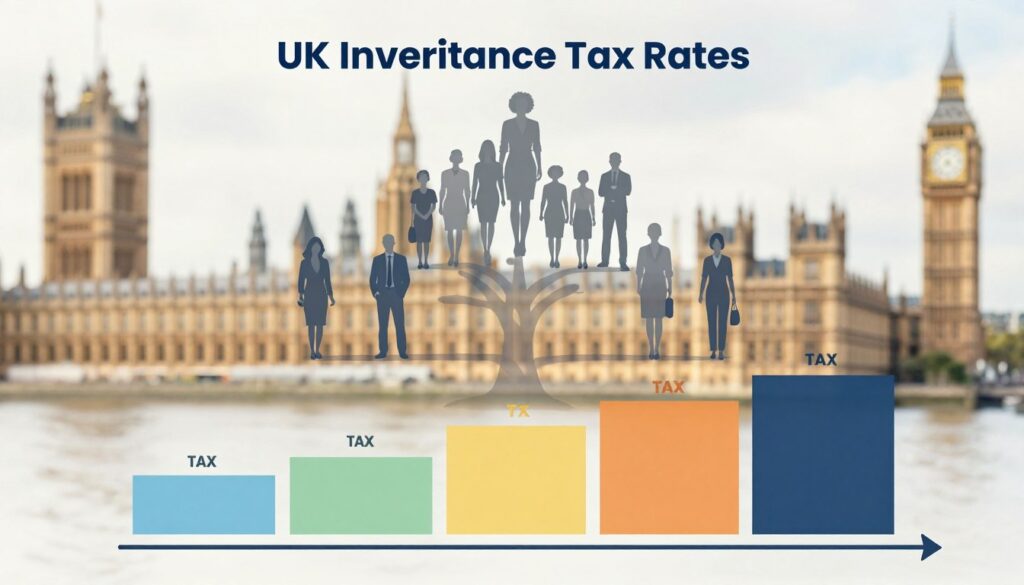
Inheritance tax is a tax on the estate of someone who has passed away, including their assets, property, and gifts given in the seven years before their death. The current inheritance tax rate is 40% on assets above the nil-rate band, which can significantly impact the wealth passed down to future generations.
“Inheritance tax is a complex area of taxation that requires careful planning to ensure that beneficiaries receive the maximum amount possible,” says a tax expert. This complexity underscores the importance of understanding the current rules and potential changes.
Current Inheritance Tax Rates and Thresholds
The nil-rate band is a crucial threshold in determining inheritance tax liability. For the 2023-2024 tax year, the nil-rate band is £325,000. Any assets above this threshold are subject to a 40% tax rate, unless reliefs or exemptions apply.
- The standard nil-rate band is £325,000.
- An additional residence nil-rate band of up to £175,000 applies if the deceased’s main residence is left to direct descendants.
- The total tax-free allowance can be as high as £500,000 for married couples or civil partners, considering both the nil-rate band and the residence nil-rate band.
Purpose of Inheritance Tax
The primary purpose of inheritance tax is to redistribute wealth and generate revenue for the government. It also aims to discourage the accumulation of wealth among a few individuals, promoting a more equitable society.
In conclusion, understanding the basics of inheritance tax is vital for effective estate planning. As we approach the 2026 budget, staying informed about potential changes to inheritance tax rates and thresholds will be crucial for families looking to protect their assets.
Recent Changes in UK Taxation Policies
As we approach the 2026 budget, it’s essential to understand the recent changes in UK taxation policies and their implications. The UK government has been actively adjusting taxation policies, including inheritance tax, to address various economic and social factors.

Key Changes from the Previous Budgets
Previous budgets have introduced significant changes to inheritance tax reliefs. For instance, the UK government has made adjustments to the inheritance tax thresholds, affecting how much individuals can pass on to their beneficiaries tax-free.
Some key changes include:
- Adjustments to the nil-rate band and the residence nil-rate band.
- Changes in the rules regarding gift allowances and their impact on inheritance tax.
- Revisions to the rules surrounding trusts and their treatment under inheritance tax.
Impact of Political Decisions on Taxation
Political decisions play a crucial role in shaping taxation policies. The current government has been focused on making the tax system more equitable, which has led to changes in inheritance tax policies. These decisions are often influenced by public opinion, economic conditions, and the need to generate revenue.
For example, the decision to freeze certain tax thresholds can have a significant impact on the amount of inheritance tax payable. This can affect families across various income brackets, making it essential for individuals to stay informed about potential changes.
Anticipated Changes Ahead of the 2026 Budget
As we look towards the 2026 budget, there are several potential changes that could impact inheritance tax. Economic experts speculate that the government may continue to adjust tax reliefs to address issues such as wealth distribution and economic growth.
Some anticipated changes include:
- Potential adjustments to inheritance tax rates or thresholds.
- Changes to the rules surrounding business and agricultural property reliefs.
- Possible reforms to the way inheritance tax is calculated and applied.
Staying informed about these potential changes is crucial for effective inheritance tax planning. By understanding the recent changes and anticipated adjustments, individuals can better prepare for the future and make informed decisions about their estate.
Factors Influencing Inheritance Tax Decisions
As we approach the 2026 UK budget, it’s crucial to understand the factors that could influence inheritance tax adjustments. The UK’s inheritance tax policies are shaped by a complex interplay of economic, social, and political factors.
Economic Conditions and Their Impact
Economic conditions play a significant role in determining inheritance tax policies. In times of economic uncertainty, the government may adjust inheritance tax thresholds or rates to balance the need for revenue with the need to support families. For instance, during periods of recession, the government might consider reducing inheritance tax rates to stimulate economic growth by allowing families to retain more of their wealth.
Economic indicators such as GDP growth, inflation rates, and unemployment levels are closely monitored by policymakers. These indicators can influence decisions on whether to adjust inheritance tax rates or thresholds. For example, if the economy is experiencing high inflation, the government might increase the inheritance tax threshold to prevent families from being pushed into higher tax brackets due to inflationary increases in asset values.

Changes in Property Values and Wealth Distribution
Changes in property values and wealth distribution are also critical factors that influence inheritance tax decisions. As property prices fluctuate, the value of estates subject to inheritance tax can change significantly. This, in turn, affects the amount of tax payable and can impact the government’s revenue projections.
The distribution of wealth among the population is another important consideration. If wealth becomes more concentrated among a smaller segment of the population, there may be increased pressure on the government to adjust inheritance tax policies to address issues of inequality. This could involve introducing new tax brackets or adjusting existing ones to capture a larger share of wealth from larger estates.
Public Opinion and Political Pressure
Public opinion and political pressure are significant factors that can influence inheritance tax decisions. Politicians are often responsive to public concerns about the impact of inheritance tax on families and the wider economy. For example, if there is widespread public concern about the burden of inheritance tax on middle-class families, the government may consider adjusting tax thresholds or rates to alleviate this burden.
Political ideology also plays a role, with different political parties having varying views on the role of inheritance tax in the tax system. Some parties may advocate for a more progressive inheritance tax system, where higher rates are applied to larger estates, while others may push for reductions in inheritance tax rates or thresholds to support economic growth.
Potential Changes in the 2026 Budget
The 2026 budget is expected to bring substantial reforms to the UK’s inheritance tax landscape. As we approach this significant financial milestone, families and estate planners are keenly anticipating the announcements that will impact their financial planning strategies.
Expected Policy Announcements
One of the most anticipated changes is the potential cap on Agricultural Property Relief (APR) and Business Property Relief (BPR). These reliefs have been instrumental in reducing inheritance tax liabilities for many families, but concerns over their abuse have led to speculation about possible reforms.
According to recent reports, the 2026 budget may introduce measures to tighten the rules surrounding APR and BPR, potentially capping the amount of relief available or making it more difficult to qualify. This could have significant implications for business owners and farmers who have relied on these reliefs to reduce their inheritance tax burden.

Speculations from Economic Experts
Economic experts are speculating that the 2026 budget will not only address inheritance tax but also consider broader tax reforms aimed at simplifying the tax system and increasing revenue. Some experts believe that inheritance tax could be replaced or significantly altered as part of a larger overhaul.
While these speculations are subject to change, they highlight the importance of staying informed and adaptable in the face of potential tax reforms. Families and financial advisors must be prepared to adjust their strategies in response to any changes announced in the 2026 budget.
Potential Implications for Different Income Brackets
The impact of the 2026 budget changes will vary across different income brackets. For higher-net-worth individuals, changes to APR and BPR could mean a significant increase in inheritance tax liability, necessitating a review of their estate planning strategies.
For those in lower income brackets, the changes might have a less direct impact, but they will still need to consider how any reforms affect their overall financial situation and plans for the future.
As we move closer to the 2026 budget, it is crucial for families across all income brackets to stay informed and seek professional advice to navigate the potential changes effectively.
The Role of Executors and Beneficiaries
Executors and beneficiaries play pivotal roles in managing an estate, especially with potential inheritance tax amendments in the 2026 UK budget. Understanding their duties and responsibilities is crucial for effective estate planning.
Duties of Executors Under Current Laws
Executors are responsible for administering the estate of the deceased, which includes:
- Managing and distributing assets according to the will or legal guidelines
- Calculating and paying any inheritance tax due
- Ensuring that debts and liabilities are settled
Executors must act in the best interest of the estate and its beneficiaries, making informed decisions that comply with current laws and regulations. For more detailed guidance, you can visit our resource on new inheritance tax.

Beneficiaries and Their Responsibilities
Beneficiaries are individuals or entities that receive assets from the estate. Their responsibilities include:
- Understanding their entitlements under the will or trust
- Cooperating with executors in the administration of the estate
- Being aware of any tax implications related to their inheritance
Beneficiaries should stay informed about the estate’s progress and any potential tax changes that could affect their inheritance.
Impact of Tax Changes on Beneficiaries
The potential inheritance tax amendments in the 2026 UK budget could significantly impact beneficiaries. Changes in tax rates or thresholds may alter the value of their inheritance. Beneficiaries should be prepared for these changes by:
- Staying informed about budget announcements
- Reviewing their estate plans regularly
- Seeking professional advice to mitigate any adverse effects
By understanding the roles and responsibilities of executors and beneficiaries, individuals can better navigate the complexities of estate planning and prepare for potential changes in inheritance tax.
Planning for Inheritance Tax
As we approach the 2026 UK budget, understanding the potential impact on inheritance tax is crucial for effective family planning. Effective planning can help reduce your inheritance tax liability, ensuring that more of your estate goes to your loved ones rather than being lost to taxes.
Tax Mitigation Strategies for Families
Families can employ several strategies to reduce their inheritance tax burden. Some of these include:
- Gifting assets to beneficiaries during your lifetime, within certain limits
- Utilizing exemptions and reliefs, such as those for business or agricultural property
- Making charitable donations, which can reduce the taxable estate
For more detailed information on how annuities are treated under inheritance tax, you can visit our page on Inheritance Tax on Annuities.
Importance of Legal and Financial Consultation
Given the complexity of inheritance tax laws and the potential for changes with the 2026 UK budget, consulting with legal and financial experts is vital. Professionals can provide personalized advice tailored to your family’s specific circumstances, helping you navigate the intricacies of inheritance tax.
Key benefits of professional consultation include:
- Expert guidance on tax-efficient strategies
- Assistance with estate valuation and planning
- Coordination with solicitors to prepare trusts and other financial instruments
Using Trusts and Other Instruments
Trusts can be a valuable tool in inheritance tax planning, allowing you to manage how and when your assets are distributed to beneficiaries. Other instruments, such as certain types of insurance policies, can also play a role in reducing inheritance tax liabilities.

By understanding and utilizing these tools, families can better protect their assets and ensure a smoother transition of wealth to future generations.
Case Studies and Real-Life Examples
The complexities of inheritance tax can be better grasped by examining actual cases and their outcomes. By looking at real-life examples, we can understand how different strategies have been used to manage inheritance tax effectively.
Success Stories in Inheritance Tax Management
Several families have successfully reduced their inheritance tax liability through careful planning. For instance, one family established a trust to hold their primary residence, significantly reducing their taxable estate. As a result, they were able to pass on a larger portion of their wealth to their beneficiaries.
Another success story involves a couple who utilized gifts and allowances to reduce their estate’s value over time. By doing so, they were able to stay below the inheritance tax threshold, thereby reducing a substantial tax bill.
Lessons Learned from Past Tax Changes
Past changes in inheritance tax laws have taught us valuable lessons. For example, the introduction of the residence nil-rate band has provided additional relief for families who pass down their main residence to direct descendants. Understanding these changes has allowed families to adapt their planning strategies accordingly.
It’s also crucial to stay informed about upcoming changes, such as those potentially introduced in the UK budget 2026. Being proactive can make a significant difference in managing inheritance tax liabilities.
Future Outlook Based on Historical Events
Historical events and past budget announcements can provide insights into future inheritance tax updates. By analyzing trends and previous changes, we can anticipate potential adjustments in the 2026 budget. For instance, if there’s a pattern of increasing thresholds during economic downturns, we might expect similar measures in response to current economic conditions.
Staying informed and regularly reviewing estate plans is essential to ensure they remain effective in light of new inheritance tax updates.
Frequently Asked Questions
Understanding inheritance tax is crucial for families looking to secure their financial future amidst potential changes in 2026. As we navigate the complexities of inheritance tax, it’s natural to have questions. Here, we address some of the most frequently asked questions to provide clarity and guidance.
What Common Myths Exist Around Inheritance Tax?
Many myths surround inheritance tax, often leading to confusion and misinformation. One common misconception is that inheritance tax is paid by everyone who inherits assets. In reality, only estates valued above the nil-rate band threshold are subject to inheritance tax. Another myth is that inheritance tax is always 40%; while this is the standard rate, there are reduced rates for certain circumstances, such as charitable donations.
How Will Changes Affect Small Estates?
Changes to inheritance tax in the 2026 UK Budget could have varying impacts on small estates. If the nil-rate band threshold remains unchanged, many small estates might continue to be exempt from inheritance tax. However, if the threshold is reduced or if tax rates increase, more small estates could become liable. It’s essential for families to stay informed about these potential changes.
| Estate Value | Current Tax Rate | Potential Future Tax Rate |
|---|---|---|
| Below £325,000 | 0% | 0% |
| £325,000 – £500,000 | 40% (on amount above £325,000) | Potential increase |
| Above £500,000 | 40% | Potential increase |
What Should Families Do to Prepare?
To prepare for potential changes to inheritance tax, families should consider several steps. Reviewing and updating estate plans regularly is crucial. This might involve reassessing gifts, trusts, and other estate planning strategies. Additionally, seeking professional advice from financial advisors specializing in inheritance tax can provide tailored guidance to reduce potential tax liabilities.
- Review your estate plan regularly
- Consider gifting strategies
- Utilize trusts where appropriate
- Seek professional advice
Conclusion: Preparing for Potential Changes in 2026
As we anticipate the 2026 UK budget, potential inheritance tax adjustments are a key concern for many families. Understanding the implications of these changes is crucial for effective estate planning.
Key Considerations
The upcoming 2026 UK budget may bring significant changes to inheritance tax, impacting how families plan for the future. We have discussed various factors that could influence these decisions, including economic conditions and property values.
To navigate these potential changes, it’s essential to stay informed about the 2026 UK budget inheritance tax adjustments and consider how they might affect your family’s financial situation.
Proactive Planning
Proactive planning is vital to managing inheritance tax liabilities effectively. By understanding the current laws and anticipating potential reforms, such as the UK inheritance tax reform 2026, families can make informed decisions to protect their assets.
We recommend reviewing your estate plans regularly and consulting with financial advisors to ensure you are well-prepared for any changes.