


Planning for care home costs can be a daunting task, especially with the uncertainty surrounding future pricing. We understand that families need clear, accessible information to make informed decisions about their loved ones’ care.
According to recent data, the average cost of a care home in England can range from £700 to £1,400 per week, depending on the type of care and location. As we look towards 2026, it’s essential to understand the current trends and what the future may hold for care home costs.
We are committed to providing you with the guidance you need to plan for your family’s future. In this article, we will explore the factors that influence care home costs and what you can expect in the coming years.
Key Takeaways
- Care home costs in England vary significantly based on location and type of care.
- The average weekly cost ranges from £700 to £1,400.
- Understanding current trends is crucial for planning future care.
- Factors such as location and level of care required impact costs.
- Planning ahead can help families make informed decisions.
Overview of Care Home Costs in England
Navigating the complexities of care home costs in England requires a comprehensive understanding of current trends and pricing. As we explore the intricacies of care home expenses, it becomes clear that several factors influence the overall cost.

Current Trends in Care Home Pricing
The cost of care homes in the UK varies significantly based on factors such as location, level of care required, and facilities offered. As of 2026, residential care homes may charge between £700 to £1,000 per week, while nursing care homes can range from £900 to £1,400 per week or more. These costs are subject to change based on current trends and regional variations.
We have observed that care home prices are influenced by regional variations, with London and the South East tend to be more expensive. This trend is crucial for understanding the broader landscape of care home costs in England.
Importance of Understanding Care Costs
Understanding care costs is essential for effective financial planning. By grasping the factors that influence care home prices, individuals can better prepare for the future. This knowledge enables families to make informed decisions about their care options, ensuring they can afford the necessary care without undue financial strain.
We recommend considering the various factors that contribute to care home costs, including the level of care required and the facilities offered. By doing so, individuals can gain a clearer understanding of what to expect and plan accordingly.
Factors Influencing Care Home Prices
Understanding the factors that influence care home prices is crucial for making informed decisions about your loved one’s care. The cost of care homes in England can be affected by several key elements, which we will explore in detail.
Location and Regional Variations
The location of a care home plays a significant role in determining its cost. Care homes in urban areas, particularly in London, tend to be more expensive than those in rural areas. According to recent data, the average weekly cost of a care home in London can be up to £1,500, whereas in other parts of England, it may range from £600 to £1,000 per week.
Regional variations are significant, with care home costs in the UK varying depending on the local economy, demand for care services, and availability of care homes. For instance, areas with a higher cost of living tend to have more expensive care homes.

Level of Care Required
The level of care required is another critical factor influencing care home prices. Individuals needing specialized care, such as nursing care, will typically incur higher costs compared to those requiring residential care. As one care home manager noted,
“The level of care needed is a significant factor in determining the overall cost. We assess each individual’s needs to provide the appropriate level of care.”
- Residential care: This type of care provides assistance with daily living activities.
- Nursing care: This involves more specialized medical care and is generally more expensive.
Facilities and Services Offered
The range and quality of facilities and services offered by a care home also impact its pricing. Luxury care homes with additional amenities such as en-suite bathrooms, on-site spas, and fine dining options will charge more than basic care homes. As a recent report highlighted, “The quality of facilities and services is a key consideration for families choosing a care home.”
Some of the factors that contribute to the overall cost include:
| Facility/Service | Description | Impact on Cost |
|---|---|---|
| En-suite bathrooms | Private bathroom facilities | Increased cost due to additional amenities |
| On-site spa | Access to spa facilities | Higher cost for luxury amenities |
| Fine dining options | Gourmet meal services | Increased cost for premium dining experiences |
Average Weekly Costs in Different Regions
Regional variations in care home costs are a critical factor to consider when planning for long-term care in England. The cost of care homes can differ significantly from one region to another, influenced by factors such as location, level of care required, and the facilities offered.
London vs. Other Major Cities
London is known for having some of the highest care home costs in England. The average weekly cost for a care home in London can range from £1,000 to over £1,500, depending on the level of care and the amenities provided. In contrast, other major cities like Manchester and Birmingham tend to have lower average costs, ranging from £600 to £1,000 per week.
To illustrate the cost differences, let’s consider the following table:
| City | Average Weekly Cost | Range |
|---|---|---|
| London | £1,200 | £1,000 – £1,500 |
| Manchester | £800 | £600 – £1,000 |
| Birmingham | £750 | £550 – £950 |
Rural Areas Costs
Rural areas in England often offer more affordable care home options compared to urban centers. The average weekly cost in rural areas can range from £500 to £800. However, it’s essential to consider that rural areas may have limited care home options and varying levels of care.
Regional Comparisons Across England
When comparing care home costs across different regions in England, it’s clear that there are significant variations. The North of England tends to have lower care home costs compared to the South, with some areas in the North East offering costs similar to those found in rural areas.
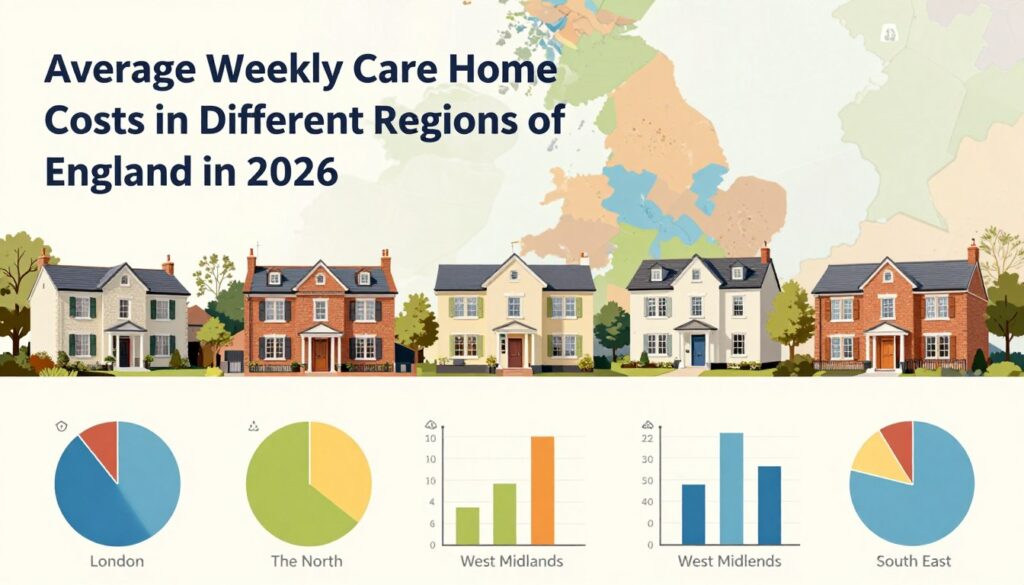
Understanding these regional differences is crucial for planning and budgeting for care home costs. By researching the average weekly costs in different regions, individuals can make more informed decisions about their care options.
Breakdown of Additional Fees and Charges
When considering a care home, it’s crucial to understand that the weekly fees are just the beginning. The total cost of living in a care home in England involves more than just the basic weekly charges. There are often additional fees and charges that can significantly impact your overall expenditure.
Admission Fees and Deposits
Some care homes charge an admission fee or deposit upon moving in. This can be a one-time payment that may or may not be refundable. We recommend clarifying the terms and conditions of such fees before committing to a care home.
Additional Care Services
Care homes often provide additional services that are not included in the standard weekly fee. These can include:
- Medical care and medication management
- Transportation to medical appointments or social events
- Specialized therapies such as physiotherapy or occupational therapy
These services can enhance the quality of life for residents but come at an extra cost. It’s essential to inquire about the pricing for these services when assessing care homes.

Optional Services and Amenities
Many care homes offer optional services and amenities to improve residents’ living experiences. These might include:
- Laundry services for personal clothing
- Participation in social activities or events
- Access to premium amenities like gym facilities or salon services
While these extras can be beneficial, they add to the overall cost. We advise making a list of the services you need and factoring them into your budget.
Understanding these additional fees and charges is vital for effective financial planning. By being aware of all the potential costs involved, you can make more informed decisions about your care home choices.
Government Assistance and Funding Options
Navigating the complex landscape of care home costs in England can be daunting, but understanding government assistance is crucial. The UK government offers various forms of financial assistance for care home costs, which can significantly ease the burden on individuals and families.

Overview of Financial Support Available
The financial support available for care home costs includes local authority funding and NHS Continuing Healthcare. These programs are designed to help individuals who require care and support due to illness, disability, or age.
Local authority funding can help cover the costs of care homes, but the amount and eligibility criteria vary depending on the local authority. It’s essential to check with your local authority to understand the specific funding options available.
Eligibility for Local Authority Funding
Eligibility for local authority funding depends on several factors, including the individual’s financial situation, care needs, and whether they have been assessed by the local authority. Understanding the cost of care home fees in the can help you navigate this process.
- Financial assessment to determine the individual’s ability to contribute to care costs
- Care needs assessment to determine the level of care required
- Eligibility criteria set by the local authority
NHS Continuing Healthcare
NHS Continuing Healthcare is a package of care provided by the NHS for individuals with significant ongoing care needs. This funding can cover the full cost of care home fees if eligible.
To be eligible, an individual must have been assessed as having a ‘primary health need’ by the NHS. This assessment considers their overall care needs, including their health and care requirements.
Understanding the government assistance and funding options available can help you plan for care home costs more effectively. For more information on care home costs and funding options, we recommend exploring resources that provide detailed guidance on how much does a care home cost per week in England 2026 and other related topics.
Private vs. Public Care Homes
Understanding the differences between private and public care homes is essential for making the right choice for your loved ones. The decision hinges on various factors including cost, quality of care, and the level of service provided.
Cost Comparisons
One of the primary considerations when choosing between private and public care homes is the cost. Private care homes typically charge more than their public counterparts. The average weekly cost for a private care home in England can range significantly, often between £800 to £1,200 per week, depending on the location and services offered. In contrast, public care homes, which are funded by the local authority, may have lower costs or be fully funded for those who are eligible.
For more detailed information on care home costs and fees, you can visit Farley Dwek, which provides comprehensive insights into the financial aspects of care home living.
Quality of Care Considerations
The quality of care is another critical factor. Private care homes often offer more personalized care and a wider range of amenities, which can enhance the living experience. However, public care homes also provide high-quality care and are regulated to ensure they meet certain standards.
It’s essential to research and visit potential care homes to assess the quality of care firsthand. Consider factors such as the staff-to-resident ratio, the cleanliness of the facility, and the availability of activities and services that cater to residents’ interests.
Choosing Between Private and Public Options
When deciding between private and public care homes, it’s crucial to consider your budget, the level of care required, and personal preferences. While private care homes offer more luxury and personalized services, public care homes provide affordable, quality care.
For those looking to protect their family’s assets while planning for care home costs, consulting with a professional can be beneficial. You can find more information on care fees planning at MPEstatePlanning.
Ultimately, the choice between private and public care homes depends on individual circumstances and priorities. By carefully evaluating the costs, quality of care, and services offered, you can make an informed decision that best suits your needs.
Planning for Care Home Costs
Planning for care home costs is a crucial step in ensuring that you or your loved ones receive the necessary care without financial strain. As care home costs in England continue to rise, it’s essential to understand how to budget for long-term care and manage these expenses effectively.
Budgeting for Long-Term Care
Budgeting for long-term care involves assessing your financial situation and determining how much you can afford to spend on care home fees. It’s crucial to consider all sources of income, including pensions, savings, and potential government assistance.
Key considerations for budgeting include:
- Assessing your income and savings
- Understanding the costs associated with different types of care
- Planning for additional expenses such as medical care and personal amenities
Financial Planning Resources
There are various financial planning resources available to help you manage care home costs. These include financial advisors specializing in elder care, online budgeting tools, and government resources.
“Seeking professional advice can make a significant difference in managing care home costs effectively,” says a financial planning expert.
Some recommended resources include:
- Local authority funding options
- NHS Continuing Healthcare
- Independent financial advisors with experience in care home funding
Tips for Managing Costs Effectively
Managing care home costs effectively requires a combination of financial planning, understanding the care home market, and knowing how to access available funding options.
Effective tips include:
- Researching care homes thoroughly to understand their pricing and services
- Considering shared accommodation or respite care options
- Regularly reviewing your care plan to ensure it meets your needs and budget
By understanding how to budget for long-term care, utilizing financial planning resources, and implementing effective cost management strategies, you can ensure that care home costs are managed in a way that supports your financial stability and care needs.
Personal Experiences and Testimonials
The reality of care home expenses in the UK is best understood through the stories of those who have navigated this complex landscape. We believe that sharing personal experiences and testimonials can help you better understand the realities of care home costs.
Real-Life Accounts of Care Home Residents
Many individuals have shared their experiences of living in care homes, highlighting the varying costs and services. For instance, a resident in a London care home might pay significantly more than someone in a rural area. One resident shared, “The cost was higher than I expected, but the quality of care made it worthwhile.”
“The financial burden was a concern, but the support from the care home staff was invaluable.”
Family Perspectives on Care Costs
Families often play a crucial role in managing care home expenses. We’ve heard from families who have had to navigate complex financial arrangements to ensure their loved ones receive the care they need. One family member noted, “Understanding the costs upfront helped us plan better for my mother’s care.”
- Families appreciate transparency in pricing.
- Clear communication about additional fees is valued.
- Support in navigating funding options is crucial.
Case Studies Highlighting Cost Variations
Our case studies illustrate the variations in care home costs across different regions in the UK. For example, the cost of a care home in London can be significantly higher than in other parts of England.
| Region | Average Weekly Cost |
|---|---|
| London | £1,200 |
| Rural Areas | £800 |
| Major Cities | £1,000 |
These stories and data highlight the importance of understanding nursing home prices in the UK and planning accordingly.
Future Projections of Care Home Costs
As we look ahead to 2026, understanding the future projections of care home costs in England is crucial for effective planning. Various factors, including government policies and demographic changes, are expected to influence these costs.
Pricing Trends by 2026
Analysts predict that care home costs will continue to rise, driven by increasing demand for care services and inflation. By 2026, the average weekly cost of a care home in England is likely to be significantly higher than today’s rates. For the most up-to-date information on care fees, it’s essential to consult recent reports and forecasts.
Factors Influencing Future Costs
Demographic changes, such as an aging population, will play a significant role in shaping care home costs. Government policies aimed at addressing the needs of the elderly will also impact pricing. Understanding these factors can help you make informed decisions about your care needs.
Planning for the Future
To prepare for the potential costs, it’s advisable to review your financial situation and explore available funding options. By doing so, you can ensure that you are well-equipped to manage the expenses associated with care homes in England in 2026 and beyond.