


Quick answer
In England and Wales, property maintenance costs during probate are typically paid from the estate’s assets before distribution to beneficiaries, and executors are generally responsible for arranging these payments. Routine maintenance—such as council tax, utilities, and essential repairs—may be covered as estate administration expenses, though discretionary improvements typically cannot. The responsibility falls on the executor to balance preserving the property’s value against unnecessary expenditure, particularly important given that probate can take 6–12 months or longer. Beneficiaries should be aware that substantial maintenance costs can significantly reduce their inheritance, and executors may need to seek court approval for major works. This guide explains property maintenance cost responsibility during probate in 2026/27, when executors can legitimately claim expenses against the estate, and how maintenance decisions affect beneficiary distributions.
Last reviewed: 24 May 2026 by the MP Estate Planning editorial team. Jurisdiction: England and Wales. Scotland and Northern Ireland have different probate and intestacy rules; the IHT thresholds are UK-wide.
Dealing with the loss of a loved one is never easy, and managing their estate can be a daunting task. Executors often worry about the financial implications of maintaining a property during probate.
We understand that navigating probate property maintenance costs can be challenging. In this article, we will explore who is responsible for these costs and when they should be paid, providing clear guidance to help you through this complex process.
Key Takeaways
- Understanding who is responsible for probate property upkeep charges is crucial.
- Estate management fees in the UK can vary depending on several factors.
- Beneficiaries should be aware of the potential costs associated with maintaining a property during probate.
- Clear guidance can help executors manage the estate’s assets effectively.
- We will provide an overview of the key considerations for managing probate property maintenance costs in the UK.
Understanding Probate in the UK
In the UK, probate is a critical legal process that ensures the proper administration of a deceased person’s estate. This process involves managing the deceased’s assets, including properties, and distributing them according to their will or the law if there’s no will.
What is Probate?
Probate is essentially about validating a will and granting the executor(s) the authority to manage the estate. This includes assessing the estate’s value, paying off debts and taxes, and distributing the remaining assets to beneficiaries. The process can be complex and time-consuming, especially when dealing with properties that require maintenance.
The Role of Executors
Executors play a crucial role in the probate process. They are responsible for ensuring that the estate is managed correctly and that all legal requirements are met. This includes maintaining any properties within the estate to preserve their value. Executors must act in the best interests of the estate and its beneficiaries, making decisions on maintenance, repairs, and potentially selling properties. For more detailed information on probate costs and budgeting, you can visit Swansea Legal Solutions.
Why Maintenance is Necessary
Maintaining properties during probate is vital for several reasons. Firstly, it helps preserve the property’s value, ensuring that it remains in good condition for the beneficiaries. Secondly, it prevents potential legal issues that could arise from neglecting maintenance, such as health and safety hazards or breaches of local authority regulations. Lastly, proper maintenance can make the property more attractive to potential buyers if the decision is made to sell.
- Preserves property value
- Prevents legal issues
- Makes the property more attractive for sale
Understanding the importance of probate and the role of executors in maintaining properties is crucial for managing inherited property maintenance costs in the UK effectively. By taking proactive steps, executors can ensure that the estate is handled efficiently, minimizing unnecessary expenses and ensuring that beneficiaries receive their inheritance in a timely manner.
Overview of Property Maintenance Costs
When a property is under probate, understanding the maintenance costs involved is crucial for executors and beneficiaries alike. Maintaining a property during this period can be challenging, as it involves various expenses that need to be managed effectively to preserve the property’s value.
Common Maintenance Tasks
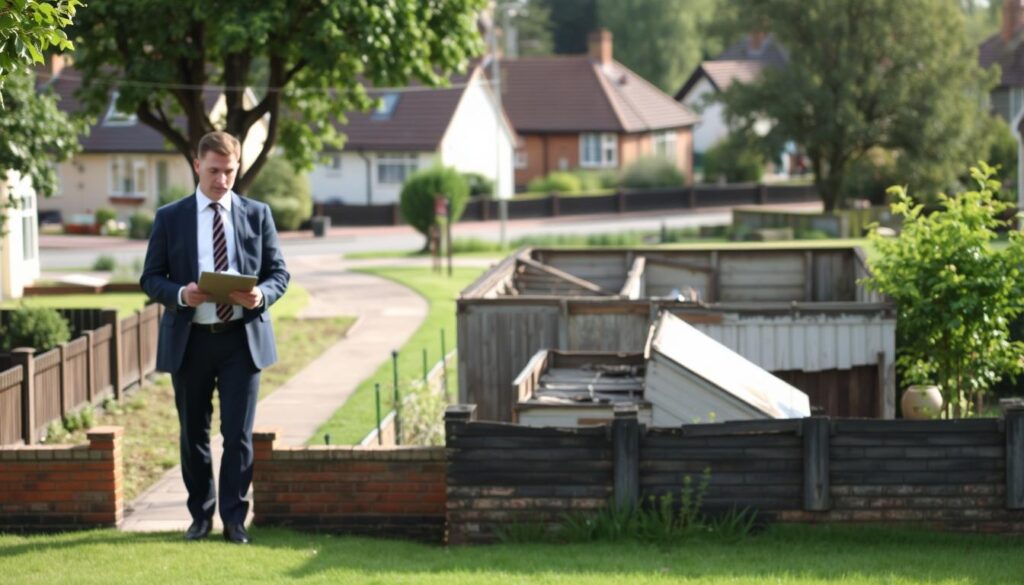
Executors are responsible for ensuring that the property is kept in good condition. Common maintenance tasks include:
- Gardening and grounds maintenance
- Repairs to fixtures and fittings
- Utility bill payments
- Insurance premiums
- General upkeep to prevent deterioration
These tasks are essential to maintaining the property’s condition and value during the probate process. For more information on managing estate expenses, you can refer to our guide on the average cost of a will and trust in the.
Average Cost Estimates
The costs associated with maintaining a property during probate can vary widely. Here are some average cost estimates for common maintenance tasks:
- Gardening: £50-£100 per visit
- Minor repairs: £100-£500
- Utility bills: variable, but typically £100-£300 per month
- Insurance premiums: £200-£500 per year
These costs can add up, and it’s essential for executors to budget accordingly to avoid any unexpected expenses.
Factors Influencing Costs
Several factors can influence the costs associated with maintaining a property during probate, including:
- The property’s age and condition
- Location and local labour costs
- The size of the property
- Any specific requirements, such as historical preservation
Understanding these factors can help executors and beneficiaries anticipate and manage the costs involved in maintaining the property.
Who is Responsible for Maintenance Costs?
Understanding who is responsible for maintenance costs during probate is crucial for managing the estate effectively. The distribution of these responsibilities can significantly impact the estate’s overall value and the relationships among beneficiaries.
Executors’ Responsibilities
Executors play a pivotal role in managing the estate’s assets, including maintaining properties until they are distributed or sold. Their responsibilities typically include:
- Managing ongoing maintenance costs, such as utility bills and repairs
- Ensuring compliance with legal requirements and maintaining necessary insurance coverage
- Deciding whether to sell, rent, or distribute properties among beneficiaries
Executors are generally responsible for paying for property maintenance out of the estate’s funds. However, they must act in the best interests of the estate and its beneficiaries, balancing the need for maintenance with the potential costs involved.
Beneficiaries’ Obligations
While executors are primarily responsible for managing the estate, beneficiaries also have certain obligations. Beneficiaries should:
- Cooperate with executors in maintaining properties
- Provide necessary information or assistance as required
- Be aware of their potential liabilities if they act in a way that diminishes the estate’s value
Beneficiaries may also need to contribute to maintenance costs if they are in occupation of the property or if they request specific maintenance or improvements.
Impact of Will Provisions
The provisions of the will can significantly impact who is responsible for maintenance costs. For instance:
- A will may specify how maintenance costs should be handled
- It may grant executors discretion over maintenance decisions
- It may allocate specific responsibilities or costs to particular beneficiaries
Understanding the will’s provisions is essential for both executors and beneficiaries to navigate their responsibilities effectively.
To illustrate the responsibilities and potential costs involved, consider the following example:
| Maintenance Task | Average Cost | Responsibility |
|---|---|---|
| Garden Maintenance | £500 – £1,000 | Executor |
| Roof Repairs | £2,000 – £5,000 | Executor, potentially reimbursed from estate funds |
| Utility Bills | Varies | Executor or Beneficiary (if in occupation) |
This table demonstrates how different maintenance tasks can have varying costs and responsibilities. Executors must carefully manage these expenses to ensure the estate is administered efficiently.
Timing of Maintenance Costs During Probate
Maintenance costs during probate can arise at different stages, requiring executors to be vigilant and proactive. The probate process involves managing the deceased’s estate, including any properties, until they are distributed to the beneficiaries. This period can be fraught with various maintenance needs, from immediate repairs to ongoing upkeep.
Initial vs Ongoing Maintenance
Executors must distinguish between initial and ongoing maintenance costs. Initial maintenance refers to the immediate repairs or tasks required to secure the property and make it habitable or saleable. This can include tasks like fixing broken locks, clearing gardens, or addressing any health and safety issues.
Ongoing maintenance, on the other hand, involves regular upkeep to preserve the property’s condition. This includes tasks such as routine gardening, boiler servicing, and general repairs. Executors must budget for both types of maintenance to ensure the property remains in good condition throughout the probate process.

Deadlines for Maintenance Payments
Executors should be aware of the deadlines for maintenance payments to avoid any potential penalties or legal issues. The timing of these payments can vary depending on the service providers and the specific maintenance tasks required.
- Utility bills: typically due on a monthly or quarterly basis
- Contractor invoices: usually due within 30 days of the invoice date
- Regular maintenance services: may be scheduled at fixed intervals (e.g., quarterly boiler servicing)
Consequences of Delays
Failing to address maintenance needs in a timely manner can have significant consequences. Delays can lead to further property deterioration, increased costs in the long run, and potential legal liabilities for the executors.
| Consequence | Description | Potential Impact |
|---|---|---|
| Property Deterioration | Neglecting maintenance tasks can lead to a decline in the property’s condition. | Reduced property value, potential for costly repairs |
| Legal Liabilities | Executors may be held personally liable for neglecting their duties. | Financial penalties, legal action against executors |
| Increased Costs | Delaying maintenance can result in more extensive (and expensive) repairs down the line. | Increased financial burden on the estate |
By understanding the timing of maintenance costs and adhering to necessary deadlines, executors can effectively manage the probate process and protect the estate’s assets.
Planning for Maintenance Costs
Effective planning is crucial for managing probate property maintenance costs in the UK. As executors navigate the complexities of estate management, understanding how to plan for these costs can significantly impact the overall value of the estate.
Assessing Property Condition
The first step in planning for maintenance costs is assessing the property’s condition. This involves identifying any immediate repairs or ongoing maintenance needs. Executors should consider hiring professionals to inspect the property and provide a detailed report on its condition.
When assessing the property, consider factors such as:
- The age and overall condition of the property
- Any necessary repairs or replacements
- Ongoing maintenance requirements, such as gardening or boiler servicing
Budgeting for Maintenance Expenses
Once the property’s condition is assessed, executors can create a budget for maintenance expenses. This budget should include both immediate costs and ongoing expenses. It’s essential to prioritize tasks based on urgency and importance.
A sample budget breakdown might look like this:
| Expense Category | Immediate Costs | Ongoing Annual Costs |
|---|---|---|
| Repairs and Replacements | £2,000 | £500 |
| Gardening and Maintenance | £0 | £1,200 |
| Boiler Servicing | £150 | £150 |
| Total | £2,150 | £1,850 |
Seeking Professional Help
Executors may find it beneficial to seek professional help when managing probate property maintenance costs. Estate management companies can provide valuable assistance with property inspections, maintenance tasks, and budgeting.

When selecting a professional service, consider their experience with probate properties and the range of services they offer. This can help ensure that the estate is managed efficiently and effectively.
Funding Maintenance Costs
Funding maintenance costs for a probate property can be a challenge, but there are several options available. Executors must consider the most appropriate method to ensure the property is maintained without undue financial burden on themselves or the estate.
Use of Estate Funds
One common approach is to use funds from the estate to cover maintenance costs. This method is often preferred as it ensures that the property is maintained without requiring executors or beneficiaries to make personal contributions. For instance, if the estate includes liquid assets, these can be used to pay for maintenance expenses. It’s worth noting that probate fees can also be paid from the, setting a precedent for using estate funds for other related expenses.
Personal Contribution Options
In some cases, executors or beneficiaries might choose to make personal contributions towards maintenance costs. This could be due to a desire to preserve the property’s value or because the estate lacks sufficient liquidity. While personal contributions can be beneficial, they should be made with caution and ideally with the agreement of all parties involved.
Selling or Renting the Property
Another strategy for managing maintenance costs is to consider selling or renting the probate property. Selling the property can provide the necessary funds to cover maintenance expenses and other estate obligations. Renting the property, on the other hand, can generate income that can be used to offset ongoing maintenance costs. Each option has its pros and cons, and the decision should be based on the specific circumstances of the estate and the wishes of the deceased.
We understand that managing maintenance costs during probate can be complex. By exploring the available options and considering the long-term implications, executors can make informed decisions that benefit the estate and its beneficiaries.

Legal Considerations
Understanding the legal landscape is crucial for executors dealing with probate properties. Managing a property during probate involves several legal aspects that must be carefully considered to avoid potential pitfalls.
Tenant Rights and Responsibilities
When a property is tenanted, executors must be aware of their obligations towards the tenants. This includes respecting tenant rights as outlined in the Tenant Fees Act 2019 and the Housing Act 1988. Executors should:
- Ensure timely rent payments and manage any rent arrears.
- Maintain the property in a habitable condition, addressing any necessary repairs.
- Provide tenants with proper notice before entering the property for inspections or repairs.
Compliance with Local Laws
Executors must comply with various local laws and regulations, including those related to health and safety, environmental issues, and property standards. Key considerations include:
- Ensuring the property meets all relevant health and safety standards.
- Complying with local authority regulations regarding property maintenance and repairs.
- Addressing any environmental concerns, such as asbestos management.

Insurance and Liability Issues
Executors should review the property’s insurance coverage to ensure it remains adequate during the probate process. This includes considering:
- Buildings insurance to cover potential damages to the property.
- Liability insurance to protect against claims from tenants or visitors.
- The potential need to adjust insurance coverage based on the property’s condition and any changes during probate.
By understanding and addressing these legal considerations, executors can effectively manage probate properties, minimize potential liabilities, and ensure compliance with relevant laws and regulations.
Tax Implications of Maintenance Costs
Three rule changes you may need to consider (2026/27)
1. Pensions become subject to IHT from 6 April 2027. Most unused defined-contribution pension pots currently sit outside the estate for IHT — that ends on 6 April 2027 (gov.uk policy paper). HMRC estimates around 10,500 estates will face IHT for the first time as a result.
2. Business and agricultural property reliefs capped at £2.5m per person from 6 April 2026. Above the cap, only 50% relief applies — effective IHT of 20%. AIM shares dropped to 50% relief and do not use the £2.5m allowance (Saffery — APR/BPR reforms).
3. The NRB, RNRB and £2m taper threshold are frozen until 5 April 2031 following the 2024 and 2025 Budgets (gov.uk — NRB and RNRB freeze). With inflation, more estates will be pulled into IHT each year — a process commonly called “fiscal drag.”
When managing a probate property in the UK, understanding the tax implications of maintenance costs is crucial for executors and beneficiaries alike. Maintenance costs can have significant tax implications, affecting the overall financial outcome of the estate.
Potential Deductions for Executors
Executors may be able to claim certain deductions against the estate’s tax liability for maintenance costs incurred during probate. This can include expenses for repairs, upkeep, and other necessary maintenance tasks. To qualify for these deductions, the costs must be reasonable and directly related to the maintenance of the property.
Allowable deductions can include:
- Repairs and renovations to maintain the property’s condition
- Garden maintenance and other upkeep costs
- Utility bills and other ongoing expenses
Inheritance Tax Considerations
Maintenance costs can also impact the calculation of inheritance tax. Generally, the value of the estate, including the probate property, is assessed for inheritance tax purposes. Reasonable maintenance costs incurred during probate can be deducted from the estate’s value, potentially reducing the inheritance tax liability.
It’s essential to keep detailed records of all maintenance expenses, as these will be required to support any claims for deductions against the estate’s tax liability.

Capital Gains Tax and Sales
If the probate property is sold, capital gains tax (CGT) implications come into play. The CGT liability is calculated based on the gain made from the sale of the property. Maintenance costs incurred during probate can be factored into the calculation of the gain, potentially reducing the CGT liability.
For properties sold during probate, executors should consider the following:
- The base cost of the property for CGT purposes is typically its value at the date of death
- Maintenance costs incurred during probate can be added to the base cost
- The CGT liability will be calculated on the gain made from the sale price minus the total base cost (including maintenance)
Understanding these tax implications is vital for executors to manage the estate efficiently and minimize tax liabilities. By keeping accurate records of maintenance costs and seeking professional advice when needed, executors can ensure compliance with UK tax regulations.
Strategies for Reducing Maintenance Costs
Effective maintenance cost reduction is vital for preserving the value of probate properties in the UK. Executors can adopt various strategies to minimize these costs, ensuring that the estate’s assets are protected and maximized for the beneficiaries.
DIY vs Hiring Professionals
One of the primary decisions executors face is whether to undertake maintenance tasks themselves or hire professionals. While DIY repairs can be cost-effective for minor tasks, hiring professionals is often necessary for more complex jobs, ensuring they are done correctly and safely.
- DIY tasks might include simple gardening, basic plumbing fixes, or painting.
- Hiring professionals is advisable for electrical work, major plumbing issues, or structural repairs.
For guidance on protecting your home from care fees, which can be a significant concern for many UK homeowners, click here to learn more.
Preventative Measures
Implementing preventative measures can significantly reduce maintenance costs over time. Regular inspections and timely interventions can prevent minor issues from becoming major problems.
| Preventative Measure | Potential Savings |
|---|---|
| Regular Roof Inspections | £500 – £1,000 by preventing leaks and damage |
| Gutter Cleaning | £200 – £500 by avoiding water damage |
| Annual Boiler Maintenance | £300 – £600 by reducing energy bills and prolonging boiler life |
Long-term Maintenance Planning
Engaging in long-term maintenance planning is crucial for managing probate property upkeep pricing effectively. This involves creating a maintenance schedule, budgeting for future repairs, and considering the property’s overall condition.
Key aspects of long-term planning include:
- Assessing the property’s condition and identifying potential future maintenance needs.
- Creating a budget for ongoing and anticipated maintenance costs.
- Prioritizing tasks based on urgency and importance.
By adopting these strategies, executors can significantly reduce probate property maintenance costs in the UK, ensuring that the estate is managed efficiently and effectively for the benefit of all parties involved.
Conclusion: Navigating Probate Property Responsibilities
As we have explored throughout this article, managing probate property maintenance costs in the UK can be complex. Executors and beneficiaries must navigate various responsibilities to ensure the property is properly cared for during the probate process.
Key Points to Remember
Understanding the roles and responsibilities of executors and beneficiaries is crucial. We have discussed the importance of assessing property condition, budgeting for maintenance expenses, and seeking professional help when needed. Effective management of probate property care expenses is vital to preserving the estate’s value.
Next Steps for Executors and Beneficiaries
To move forward, we recommend reviewing the estate’s financial situation and creating a plan for estate management fees in the UK. This may involve consulting with professionals to determine the best course of action for the property.
Further Resources
For additional guidance on managing probate property, we suggest consulting reputable sources such as the UK Government’s website or seeking advice from a qualified solicitor. By taking a proactive approach, executors and beneficiaries can ensure a smooth probate process and protect the property’s value.
FAQ
Who is responsible for probate property maintenance costs in the UK?
The responsibility for probate property maintenance costs typically falls on the executors of the estate, as they are tasked with managing the property until it is sold or distributed to beneficiaries.
What are the typical maintenance tasks that executors might face?
Executors may need to undertake various maintenance tasks, including repairs, gardening, and ensuring the property remains secure and insured. The specific tasks will depend on the property’s condition and type.
How are probate property maintenance costs funded?
Maintenance costs can be funded using estate funds. In some cases, executors or beneficiaries might need to make personal contributions, especially if the estate lacks sufficient liquidity.
Can maintenance costs be claimed as deductions for tax purposes?
Yes, certain maintenance costs can be claimed as deductions against income tax or capital gains tax, depending on the circumstances. It’s essential to consult with a tax professional to understand the specific tax implications.
What happens if maintenance payments are delayed?
Delays in maintenance payments can lead to further deterioration of the property, potentially increasing costs in the long run. Additionally, delayed payments might result in penalties or legal issues, especially if there are contractual obligations involved.
How can executors minimize probate property maintenance costs?
Executors can minimize costs by undertaking preventative measures, planning maintenance effectively, and deciding between DIY repairs and hiring professionals based on the specific needs of the property.
Are there any legal considerations that executors must be aware of when managing a probate property?
Yes, executors must comply with tenant rights, local laws, and address insurance and liability issues. Understanding these legal considerations is crucial to avoid potential legal complications.
Can selling or renting the property help cover maintenance costs?
Yes, selling or renting the property can provide funds to cover maintenance costs. Executors should consider the best strategy based on the estate’s circumstances and the property’s condition.
How do maintenance costs impact inheritance tax and capital gains tax?
Maintenance costs can affect the estate’s valuation for inheritance tax purposes and may be deductible against capital gains if the property is sold. Understanding these implications can help in managing the estate’s tax liabilities.
What should executors do if they are unsure about managing probate property maintenance costs?
Executors who are unsure about managing maintenance costs should seek professional help. Consulting with estate management professionals, accountants, or solicitors can provide valuable guidance and help in navigating the complexities of probate property maintenance.
Budgeting for Probate Property Maintenance: Rules of Thumb for Executors
One of the most practical challenges an executor faces is estimating how much money to ring-fence from the estate for ongoing property maintenance during probate. Probate in England and Wales can take anywhere from several months to well over a year, and a vacant property does not stand still in that time. Having a defensible, documented budgeting approach matters — not only for sound estate administration, but because HMRC may scrutinise maintenance expenditure when reviewing the estate’s accounts, and beneficiaries are entitled to question how estate funds have been applied.
The 1% Annual Property Value Rule
The most widely cited rule of thumb in property maintenance budgeting is the 1% rule: set aside approximately 1% of the property’s open market value per year to cover routine and reactive maintenance. For a probate property valued at £300,000, that suggests a maintenance reserve of around £3,000 for a full year — or roughly £750 per quarter if probate is expected to conclude within that window. In our experience, this figure tends to hold reasonably well for standard residential properties in average condition, though it should be treated as a starting point rather than a ceiling. Older properties, those in poor repair at the date of death, or those in areas where contractor availability is limited may require a higher reserve.
Executors should document the rationale for any reserve figure in their estate administration file. Should a beneficiary later raise a concern about maintenance expenditure, a clearly evidenced budgeting approach — anchored to a recognised benchmark — provides a degree of protection against a wasting of assets allegation. The GOV.UK guidance on personal representatives confirms that executors are expected to manage estate assets prudently pending distribution.
The Per-Square-Foot Approach
A complementary method is to estimate costs by floor area. In the UK, typical annual maintenance spend on a residential property generally falls in the range of £1 to £2 per square foot. A modest three-bedroom house of around 900 square feet might therefore attract annual maintenance costs of £900 to £1,800 under this model. Larger or older properties — particularly those with traditional construction, flat roofs, or ageing heating systems — will typically sit toward the upper end of that range or beyond it. This per-square-foot approach can be particularly useful when the estate holds a property the executor is unfamiliar with, as it provides an objective, size-based anchor for initial budgeting.
Fixed, Variable, Periodic, and Unexpected Costs on a Vacant Probate Property
It is worth distinguishing between the different cost categories an executor is likely to encounter, as each carries different planning implications.
- Fixed costs continue regardless of occupancy: buildings insurance (which must typically be switched to a specialist unoccupied property policy), utility standing charges, and any estate rentcharge obligations (see below).
- Variable costs depend on the property’s condition and the length of the administration: garden maintenance, external cleaning, and minor repairs to prevent deterioration.
- Periodic costs arise at predictable intervals: annual boiler servicing, guttering clearance, and any contractual maintenance obligations tied to the property.
- Unexpected costs are perhaps the greatest risk for executors: a burst pipe in an unheated vacant property, storm damage, or a roof failure can generate significant unplanned expenditure. In our experience, holding a contingency buffer of 10–15% above the estimated maintenance reserve is a sensible precaution, particularly over winter months.
It is also worth noting that maintenance costs for probate properties have risen meaningfully in recent years. Contractor availability in many parts of England and Wales remains constrained, and both materials and labour costs have increased substantially since 2022. Executors budgeting in 2025 should not rely on cost estimates from earlier in the decade without adjusting for current market conditions, as underestimating maintenance spend can delay the administration if further estate funds need to be realised to cover shortfalls.
Common Questions About Probate Property Maintenance Costs
What is an estate rentcharge?
An estate rentcharge is a periodic sum — typically a modest annual amount — charged on freehold residential properties, most commonly found on housing developments in the North West of England and parts of the South West. It is a legal obligation attached to the land itself, not to the individual owner, and it does not disappear on death. Where a probate property is subject to an estate rentcharge, the executor must continue to make payments during the administration or risk the rentcharge owner exercising their right to re-enter the property — a remedy that, while rarely used, can significantly complicate probate proceedings. Executors should identify any rentcharge obligations early in the administration by reviewing the title register at HM Land Registry.
Should you use estate funds for house repairs?
Generally, yes — where repairs are necessary to preserve the value of the estate asset, using estate funds is both appropriate and expected of a prudent executor. The key distinction is between preservation (legitimate) and improvement (potentially contentious). Fixing a leaking roof to prevent further structural damage is a preservation expense. Renovating a kitchen to achieve a higher sale price may be considered an improvement, and in that case the executor should typically seek the written agreement of all residuary beneficiaries before proceeding. HMRC’s guidance on allowable estate administration expenses is set out in the IHT Manual at IHTM28000, and our team would always recommend taking professional advice before authorising significant repair expenditure from estate funds.
What expenses can be reimbursed from an estate?
Executors are entitled to be reimbursed from the estate for reasonable out-of-pocket expenses incurred in the course of administration. This may include travel to the property, costs of obtaining valuations, insurance premiums, utility bills, security measures for a vacant property, and routine maintenance spend. Expenses must be properly incurred — meaning they must be genuinely necessary and reasonable in amount. Executors should retain receipts and keep a clear record of all expenditure. Where an executor is also a beneficiary, transparency with co-beneficiaries about expenses claimed is particularly important to avoid disputes later in the administration.
Can you clean out a house before probate?
In most cases, it is prudent to secure and make safe a property promptly after death — and that may include basic clearance of perishables, securing doors and windows, and ensuring utilities are managed safely. However, removing, disposing of, or distributing personal property of potential value before probate is granted carries real risk. If it later transpires that items disposed of formed part of the estate, the executor could face a claim from beneficiaries. The general guidance is to document the property’s contents thoroughly — ideally with photographs — before undertaking any substantive clearance, and to obtain a grant of probate before selling or distributing assets of material value.
What is the rule of thumb for maintenance costs?
The most commonly applied rule of thumb is to budget 1% of the property’s current market value per year for maintenance and repairs. On a £250,000 property, that equates to approximately £2,500 annually, or around £208 per month. A second useful benchmark is the per-square-foot rule, which suggests annual maintenance costs of roughly £1 to £2 per square foot of floor area for a typical UK residential property. In practice, executors managing a vacant probate property should treat these figures as a minimum starting point: unoccupied properties are more vulnerable to undetected deterioration, and the absence of a resident to notice and report problems quickly means that minor issues can escalate into costly repairs if the administration is prolonged.